
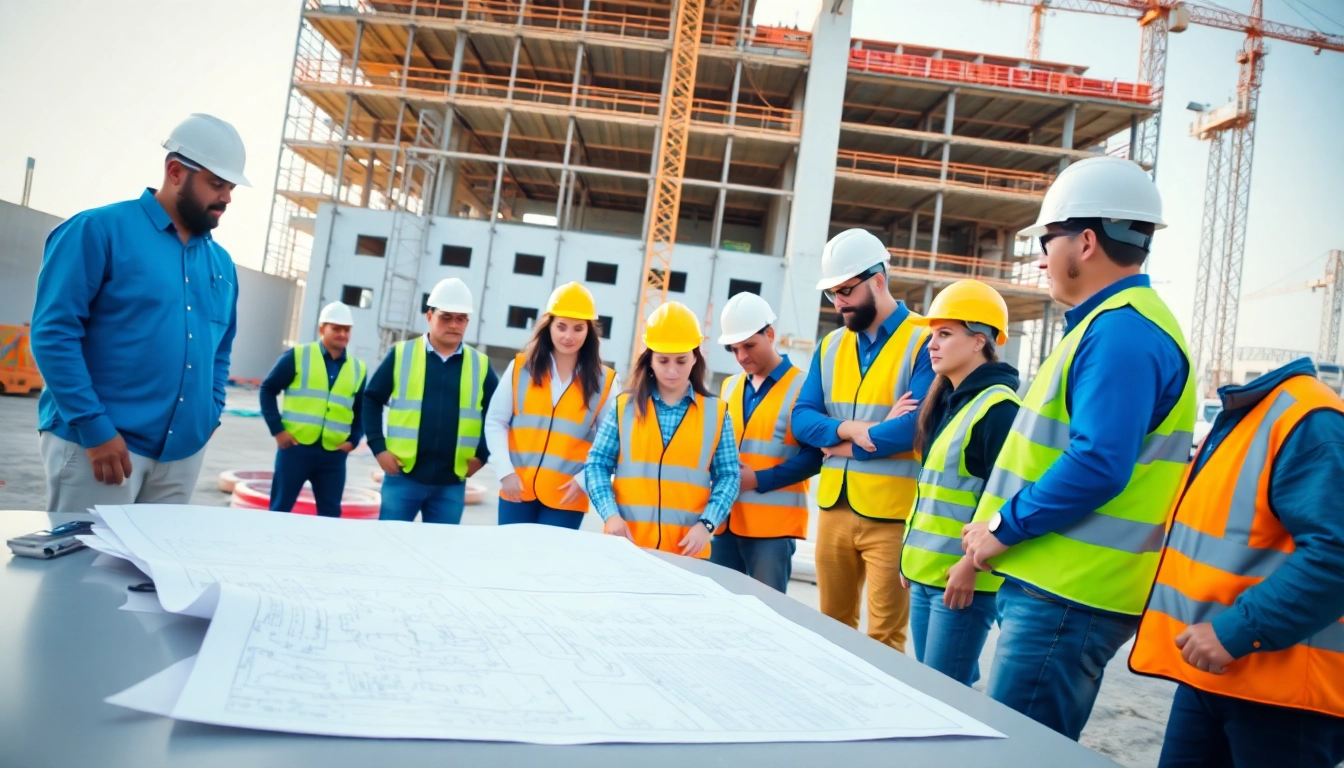
Understanding the Role of a New Jersey Commercial General Contractor
What is a Commercial General Contractor?
A Commercial General Contractor (CGC) is a company or individual responsible for the overall coordination of a construction project. They serve as the primary point of contact for the client and are accountable for the successful completion of the project from inception to completion. This includes managing budgets, schedules, and subcontractors, while ensuring adherence to building codes and regulations. A well-versed New Jersey Commercial General Contractor possesses expertise in various sectors such as commercial buildings, retail spaces, and multi-family housing.
Key Responsibilities and Tasks
The responsibilities of a Commercial General Contractor are multifaceted. Below are some of the primary duties they undertake:
- Project Planning: Collaborating with architects and owners to create a project plan that includes timelines, budgets, and design specifications.
- Resource Management: Overseeing the procurement of materials and the hiring of subcontractors, ensuring that all resources are effectively allocated.
- Site Management: Supervising construction sites, ensuring safety protocols are followed, and maintaining communication among team members.
- Quality Control: Ensuring that work meets the required standards and specifications throughout the construction process.
- Problem Solving: Addressing any issues that arise promptly and efficiently to minimize impact on the project timeline and costs.
Benefits of Hiring a Commercial General Contractor
Engaging a Commercial General Contractor offers numerous benefits:
- Expertise: They bring invaluable knowledge and experience that contribute to efficient project execution.
- Time Savings: A CGC allows clients to focus on their core business while handling day-to-day management of the construction project.
- Risk Management: Contractors are adept at identifying potential risks and mitigating them before they escalate into significant issues.
- Cost Control: A reliable CGC can help prevent budget overruns through careful planning and monitoring.
- Quality Assurance: They ensure that the final outcome meets the expectations of stakeholders while adhering to industry standards.
Choosing the Right New Jersey Commercial General Contractor
Essential Qualities to Look For
When selecting a Commercial General Contractor, certain qualities can significantly enhance the likelihood of a successful partnership:
- Experience: Look for contractors who have extensive experience in managing projects similar to yours.
- Reputation: Research online reviews and testimonials to gauge a contractor’s standing in the industry.
- Transparency: A good contractor will communicate openly about project expectations, challenges, and costs.
- Licensing and Insurance: Verify that the contractor holds the necessary credentials and coverage to protect against liabilities.
- Strong Communication Skills: Your contractor should be accessible and responsive to your inquiries throughout the project.
How to Evaluate Contractor Experience
Assessing a contractor’s experience is crucial for project success:
- Review Project Portfolio: Examine completed projects to get a sense of their style, quality, and scale.
- Ask About Specializations: Inquire if the contractor specializes in certain types of construction projects, which can benefit your specific needs.
- Check Certifications: Verify any additional certifications or training that can enhance their capabilities.
- Interview References: Speaking with previous clients can provide insights into a contractor’s strengths and weaknesses.
Checking References and Past Projects
When vetting potential contractors, it’s vital to check references and previous projects to gain a complete picture of their work:
- Contact Past Clients: Ask about their experiences, such as communication, adherence to timelines, and overall satisfaction.
- Visit Completed Sites: If possible, visit previous projects to inspect the quality of work firsthand.
- Assess Problem-Solving Skills: Discuss any challenges encountered in past projects and how they were handled.
Common Challenges in Commercial Construction
Permitting and Legal Issues
Commercial construction projects often face complex permitting and legal hurdles. Navigating zoning laws, building codes, and environmental regulations can significantly impact timelines:
- Research Local Regulations: Understand the local laws and required permits to avoid delays.
- Engage a Legal Expert: Consult with a lawyer familiar with construction law to navigate potential pitfalls.
- Regular Updates: Maintain communication with local authorities to ensure compliance and stay informed about regulatory changes.
Budget Overruns and How to Avoid Them
Budget overruns are a common issue in commercial construction that can jeopardize project viability. Preventive steps include:
- Detailed Budgeting: Create comprehensive and realistic budgets that account for all potential expenses, including contingencies.
- Regular Monitoring: Implement controls to track spending against the budget and make adjustments as necessary.
- Transparent Communication: Maintain an open dialogue with your contractor regarding finances, avoiding surprises that can lead to budget strain.
Time Management in Large Projects
The complexity of large projects can lead to time management challenges. Here are strategies to enhance efficiency:
- Establish a Realistic Timeline: Work with your contractor to develop a feasible schedule with adequate buffer time.
- Break Down Tasks: Divide the project into smaller, manageable phases to track progress more effectively.
- Utilize Project Management Tools: Adopt software solutions for construction management that aid in scheduling and coordination.
Best Practices for Working with Your Contractor
Effective Communication Strategies
Effective communication is the cornerstone of a successful client-contractor relationship:
- Regular Meetings: Schedule frequent check-ins to discuss updates, challenges, and feedback.
- Clearly Defined Channels: Establish clear methods for communication, whether through email, messaging apps, or project management tools.
- Encourage Openness: Foster an environment where both parties feel comfortable discussing concerns and ideas.
Regular Progress Check-Ins
Monitoring project progress is vital to ensure on-time delivery:
- Set Milestones: Define specific milestones throughout the project to evaluate progress against objectives.
- Transparency in Reporting: Request regular updates on timelines, budgets, and any challenges encountered.
- Document Progress: Keep records of project milestones and issues that arise to analyze performance over time.
Setting Clear Expectations
Clearly defined expectations are essential for project success:
- Document Conventions: Write and review detailed contracts that outline scope, responsibilities, timelines, and compensation.
- Discuss Desired Outcomes: Make sure your contractor understands your vision and objectives for the project.
- Clarify Responsibilities: Specify roles and responsibilities to prevent overlaps and gaps in tasks.
Frequently Asked Questions about New Jersey Commercial General Contractor
What qualifications should a commercial contractor possess?
A reputable contractor should have a valid license, insurance, and extensive experience in commercial projects.
How can I ensure my project stays on budget?
Communicate your budget clearly and work closely with your contractor to track expenses and adjustments.
What is the typical timeline for commercial construction?
Project timelines can vary widely based on scope, but many projects take several months to a few years.
Are there guarantees for project completion?
No contractor can guarantee completion dates due to potential unforeseen challenges, but they can provide a detailed timeline.
How can I manage changes to the project scope?
Discuss potential changes upfront with your contractor and agree on a process for assessing impacts on budget and timeline.