Understanding Outdoor Living Configurator Tools
In an era where outdoor spaces are becoming extensions of our homes, the significance of a well-designed patio or garden cannot be overstated. With the rise of technology, homeowners are increasingly turning to online tools to visualize and create their ideal outdoor environments. An outdoor living configurator serves as a powerful resource, enabling users to customize various elements of their outdoor spaces with ease and precision.
What is an Outdoor Living Configurator?
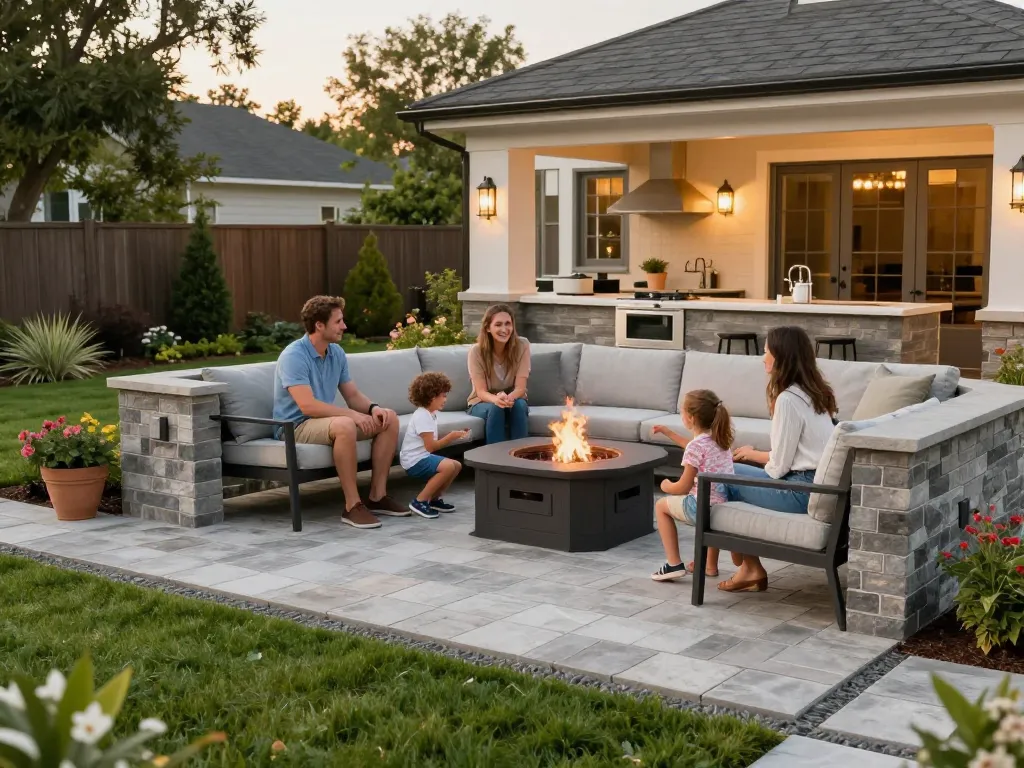
Essentially, an outdoor living configurator is a digital platform that allows users to design and plan outdoor spaces effectively. It provides an interactive interface where homeowners can select different features such as furniture, landscaping, and architectural elements to see how they look together. These tools often include 3D visualization capabilities, helping users to imagine their revamped outdoor areas in a realistic manner.
Benefits of Using a Configurator for Outdoor Spaces
The advantages of employing an outdoor living configurator are manifold:
- Visualization: Users can see how their design choices will come together, reducing uncertainty.
- Customization: With options to select materials, colors, and sizes, users can tailor their spaces to their specific needs and aesthetic preferences.
- Cost-Effective: By planning and visualizing online, homeowners can avoid costly mistakes associated with real-world renovations.
- Time-Saving: Users can experiment with various designs without the need for physical adjustments, significantly speeding up the planning process.
How Outdoor Living Configurators Improve Design Experiences
Outdoor living configurators elevate the design process by making it accessible to everyone, regardless of their prior design experience. They facilitate a hands-on approach to design where individuals can explore various styles, trends, and functionalities. Furthermore, many configurators offer a library of resources such as tutorials and tips, enhancing user knowledge and engagement.
Features to Look for in an Outdoor Living Configurator
Customization Options for Your Outdoor Space
When selecting an outdoor living configurator, prioritize those that offer comprehensive customization features. Look for tools that allow you to modify:
- Furniture Styles: Choose from a variety of outdoor furniture styles to best suit your preferences.
- Landscaping Elements: Incorporate plants and hardscaping components that complement your design.
- Lighting Features: Add ambient or functional lighting options to enhance usability during the evening.
- Color Palettes: Experiment with different color schemes to find the perfect match for your aesthetic.
User-Friendly Interfaces and Experience
A great configurator should have an intuitive interface that guides users through the design process smoothly. A user-friendly experience is characterized by:
- Drag-and-Drop Functionality: Simplifies the placement of items within the design.
- Clear Navigation: Ensures users can easily access various features without frustration.
- Responsive Design: Allows for use on various devices, from desktops to tablets, making planning on the go easy.
Integration with Landscaping and Architecture
For the best results, choose a configurator that integrates seamlessly with landscaping and architectural features. This ensures that the design aligns with the surrounding environment, taking into account sunlight, space, and functionality. Moreover, integration with professional design software can facilitate collaboration with landscape architects or builders.
Step-by-Step Guide to Using an Outdoor Living Configurator
Initial Setup and Input Preferences
To get started, access your chosen outdoor living configurator and create an account if necessary. Input key preferences such as:
- Your outdoor space dimensions.
- Your design style (e.g., modern, rustic, coastal).
- Any specific requirements (e.g., children-friendly, pet-friendly features).
Selecting Materials and Design Elements
Begin crafting your outdoor space by selecting materials and design elements that fit your preferences. This may include:
- Choosing patio stones or decks that fit your style and budget.
- Selecting outdoor furniture that complements the chosen material.
- Incorporating greenery, such as trees, shrubs, and flowers, for visual contrast and appeal.
Finalizing Your Outdoor Design Project
After making your selections, review your design in 3D. Make any adjustments needed before finalizing your project. Most configurators allow you to save your designs for future reference or even share them with friends and family for feedback.
Common Challenges with Outdoor Living Configurators
Overcoming Design Limitations and Constraints
While configurators are powerful tools, they do have limitations. Users may encounter constraints related to:
- Material availability in their area.
- Lack of advanced features in free versions compared to paid options.
- Difficulty in visualizing certain elements together if they do not have a solid understanding of spatial design.
To overcome these limitations, users should research local suppliers and be flexible with their designs.
Addressing User Experience Issues
Common issues may include lagging interfaces or confusing navigation. To mitigate these concerns:
- Choose a reputable configurator known for its performance and customer support.
- Read user reviews and tutorials to better understand the tool’s usability.
Preventing Design Overwhelm: Tips and Tricks
A well-planned design process should feel exciting rather than overwhelming. Here are some tips:
- Start with a mood board to clarify your vision.
- Take breaks to avoid design fatigue.
- Seek inspiration from online platforms, including social media and design blogs.
The Future of Outdoor Living Design: Trends for 2026 and Beyond
Emerging Technologies in Outdoor Configurators
As technology evolves, so do outdoor living configurators. Future advancements may include:
- Augmented Reality: Enabling users to visualize designs in real-world settings using AR technology.
- AI Recommendations: Providing tailored suggestions based on user input and preferences.
- Collaborative Features: Allowing multiple users to design together in real time, regardless of location.
Sustainable Design Practices and Innovations
The focus on sustainability will play a critical role in future outdoor living designs. Expect to see:
- Eco-Friendly Materials: More configurators offering options for sustainable materials.
- Water Conservation Techniques: Features to design rain gardens or efficient irrigation systems.
- Native Plant Integration: Encouraging the use of local flora that require less maintenance and resources.
Predicted Trends in Outdoor Living Spaces by 2026
The outdoor living space landscape is set to change significantly. Key trends to look out for include:
- Multi-Functional Spaces: Areas that serve various purposes, such as outdoor offices or recreational zones.
- Smart Outdoor Living: The rise of tech-integrated outdoor features such as automated lighting and irrigation systems.
- Outdoor Wellness Spaces: More designs incorporating elements for wellness, including yoga decks and meditation gardens.
What can I create with an outdoor living configurator?
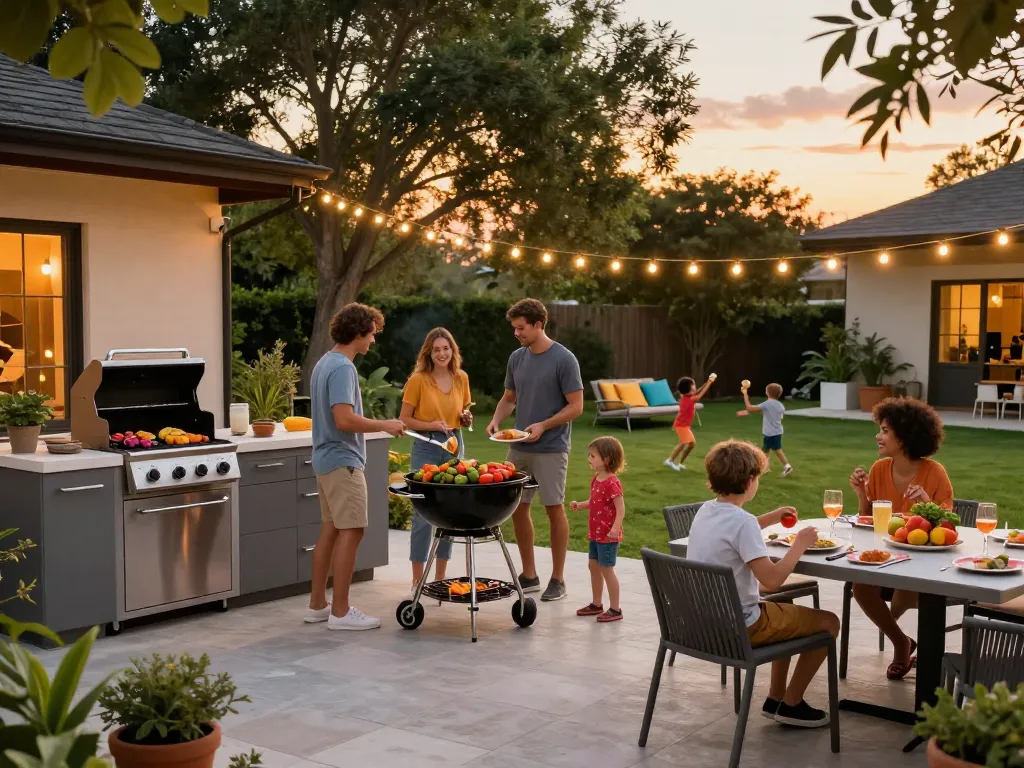
With an outdoor living configurator, the possibilities are nearly limitless. Users can create everything from alfresco dining areas to luxurious lounges, personalized pools, and lush gardens, enabling them to design spaces that truly reflect their lifestyle and preferences.
Are outdoor living configurators user-friendly?
Most modern outdoor living configurators are designed with user experience in mind, featuring intuitive interfaces and helpful guides. While some may have a learning curve, many users find that they can navigate through the tools easily with just a bit of experimentation.
What materials can I select in a configurator?
Users can typically choose from a wide variety of materials, including wood, stone, concrete, and various finishes for furniture. Many configurators also offer samples of colors and textures to help finalize selections.
How can outdoor living configurators save me money?
By allowing users to visualize their designs before making any purchases, outdoor living configurators help prevent costly mistakes. They also enable users to make informed decisions about materials and layout, potentially avoiding unnecessary expenses.
Do I need design experience to use a configurator?
No prior design experience is necessary to use an outdoor living configurator. These tools are designed for accessibility, with built-in support to guide users through the design process.