
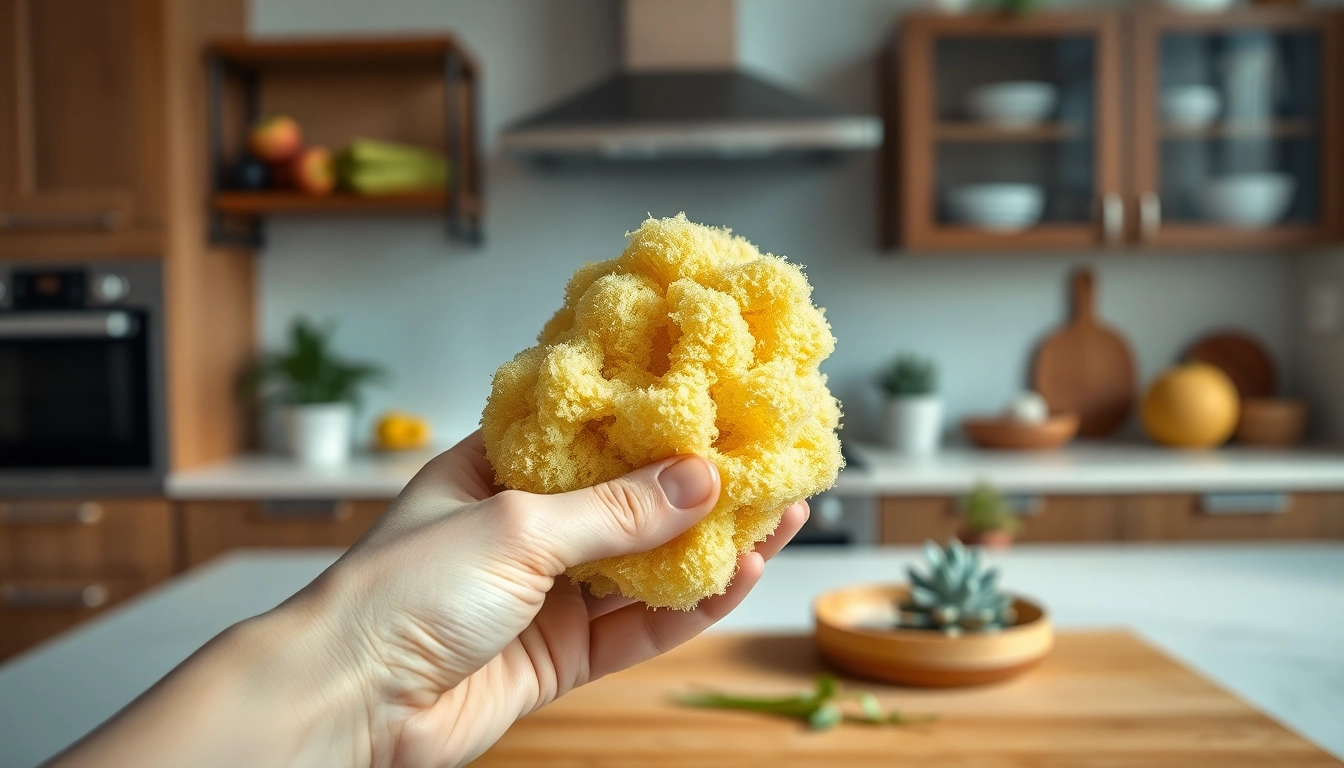
Introduction to Kitchen Loofahs
The kitchen is one of the busiest places in any home, often serving as a hub for cooking, cleaning, and gathering. Among the myriad of cleaning tools, the kitchen loofah stands out as a versatile option that has gained popularity for its effectiveness and sustainability. This natural cleaning tool can enhance your kitchen cleaning routine significantly. In this article, we will explore everything you need to know about the kitchen loofah, its benefits, types, and effective usage tips.
What Is a Kitchen Loofah?
A kitchen loofah, often referred to as a luffa or loofah sponge, is derived from the fibrous skeleton of a gourd plant belonging to the cucumber family. When harvested and processed, the inner fibers create a natural sponge that’s perfect for scrubbing pots, pans, countertops, and even your skin. Unlike synthetic sponges, kitchen loofahs are biodegradable and are gaining traction among eco-conscious consumers.
Benefits of Using Kitchen Loofahs
There are several benefits to using kitchen loofahs over traditional sponges:
- Eco-Friendly: Made from renewable resources, kitchen loofahs are biodegradable, making them an environmentally friendly choice.
- Antimicrobial Properties: Their natural fibers can help resist microbial growth when properly maintained.
- Effective Cleaning: Kitchen loofahs are excellent at removing tough stains and grime due to their coarse texture.
- Versatile Use: These sponges can be used for various tasks, including dishwashing, scrubbing vegetables, and even personal skincare.
- Durability: A well-cared-for kitchen loofah can last longer than synthetic alternatives when maintained properly.
Types of Kitchen Loofahs Available
Kitchen loofahs come in various forms and styles to suit different cleaning needs:
- Whole Loofahs: These are dried, uncut loofahs that can be sliced to your desired thickness for use.
- Loofah Scrubbers: Pre-cut loofahs that come in different sizes and shapes, typically designed for specific tasks.
- Loofah Pads: Flattened versions that can be easier for scrubbing dishes or surfaces.
- Infused Loofahs: Some loofahs come infused with essential oils for an added scent while cleaning.
How to Choose the Right Kitchen Loofah
Considerations When Selecting Kitchen Loofahs
Choosing the right kitchen loofah can significantly impact your cleaning experience. Consider the following:
- Material Quality: Look for loofahs that are 100% natural to ensure you are not emitting harmful chemicals during cleaning.
- Texture: Select the roughness according to your cleaning needs; coarser varieties for heavy-duty tasks and softer for delicate surfaces.
- Size: Different tasks may require different sizes; make sure to select one that fits comfortably in your hand.
- Shape: Consider the shape of the loofah based on where you will use it most, such as flat for pots or rounded for scrubbing corners.
Comparing Natural vs. Synthetic Kitchen Loofahs
When selecting a kitchen loofah, one of the key decisions to make is between natural and synthetic options. Here are some differences:
- Environmental Impact: Natural loofahs are biodegradable, whereas synthetic sponges contribute to landfill waste.
- Durability: While natural loofahs can last longer with proper care, synthetic sponges tend to break down faster.
- Hygiene: Natural loofahs are less prone to trapping odors and bacteria when cleaned and dried properly, compared to synthetic models.
- Cost: Natural kitchen loofahs may have a higher upfront cost but can be more cost-effective over time.
Top Features to Look For in Kitchen Loofahs
When purchasing a kitchen loofah, keep an eye out for these essential features:
- Softness and Coarseness: Choose one that aligns with the surfaces you’ll be cleaning.
- Washability: Ensure it can be easily cleaned and dried to maintain hygiene.
- Packaging: Look for eco-friendly packaging to ensure a reduced environmental footprint.
- Multi-Functionality: Some loofahs can serve dual purposes; ensure your choice can handle multiple cleaning tasks.
Effective Ways to Use Kitchen Loofahs
Best Practices for Kitchen Loofah Usage
Using a kitchen loofah effectively involves knowing your cleaning routine:
- Wet the loofah with warm water to soften the fibers, making it more effective.
- Apply your preferred cleaning solution directly onto the loofah or surface to reduce product waste.
- Scrub surfaces firmly but gently to avoid scratching.
- Rinse thoroughly after use to remove debris and food particles.
- Leave the loofah in a dry area to air out and prevent mold growth.
How to Clean and Maintain Kitchen Loofahs
Maintenance is crucial in prolonging the life of your kitchen loofah:
- Regular Cleaning: Wash the loofah in warm, soapy water after each use.
- Sanitization: Occasionally soak it in a vinegar solution or wash it in the dishwasher for thorough sanitization.
- Drying: Ensure it fully dries after cleaning to prevent odor and bacteria buildup.
- Replace When Necessary: Check for wear and tear regularly and replace it when fibers start to break down.
DIY Recipes Using Kitchen Loofahs
Kitchen loofahs are not only useful for cleaning but can also be used in DIY projects:
- Loofah Soap: Create organic soap using loofah slices for an exfoliating experience.
- Loofah Scrub: Combine with natural ingredients like oatmeal and essential oils for a gentle homemade scrub.
- Loofah Plant Pots: Cut and craft loofahs as pots for starting seedlings that will biodegrade into the soil.
Environmental Impact of Kitchen Loofahs
Benefits of Choosing Natural Kitchen Loofahs
Choosing natural kitchen loofahs carries several environmental benefits:
- Biodegradability: Natural loofahs decompose, reducing landfill waste.
- Reduced Chemical Usage: Opting for natural products helps minimize chemical exposure, promoting a healthier home environment.
- Sustainable Farming: The cultivation of loofah gourds supports agricultural practices that can be eco-friendly when compared to synthetic alternatives.
Disposal and Sustainability Considerations
When disposing of your kitchen loofah, consider the following:
- Composting: They can be composted in a home compost bin during the kitchen cleanup.
- Green Disposal: If composting is not an option, ensure they are disposed of in organic waste to minimize landfill impact.
- Educate Others: Share your knowledge about sustainable cleaning methods to encourage others to make eco-conscious choices.
Enhancing Your Eco-Friendly Cleaning Routine
Utilizing a kitchen loofah effectively contributes to an eco-friendly cleaning routine:
- Pair the loofah with environmentally friendly cleaning agents.
- Incorporate other natural cleaning tools like microfiber cloths and vinegar.
- Practice mindful cleaning by reducing the use of disposable products.
- Educate household members on the significance of choosing sustainable products for cleaning.
FAQs about Kitchen Loofahs
Are Kitchen Loofahs hygienic?
Yes, when cleaned and dried properly, kitchen loofahs are hygienic and can resist microbial growth.
How long do Kitchen Loofahs last?
With proper care, natural kitchen loofahs can last up to several months, depending on usage frequency.
Can Kitchen Loofahs be used on all surfaces?
Kitchen loofahs can be used on most surfaces but may scratch delicate materials, so proceed with caution.
How often should I replace my Kitchen Loofah?
Replace your kitchen loofah every 4 to 6 weeks or sooner if it shows signs of wear or retains odors.
Can I use Kitchen Loofahs for skincare?
Yes, kitchen loofahs can be used for skincare as natural exfoliants, but ensure they are clean before use.