
Understanding Flat Box Spring
What is a Flat Box Spring?
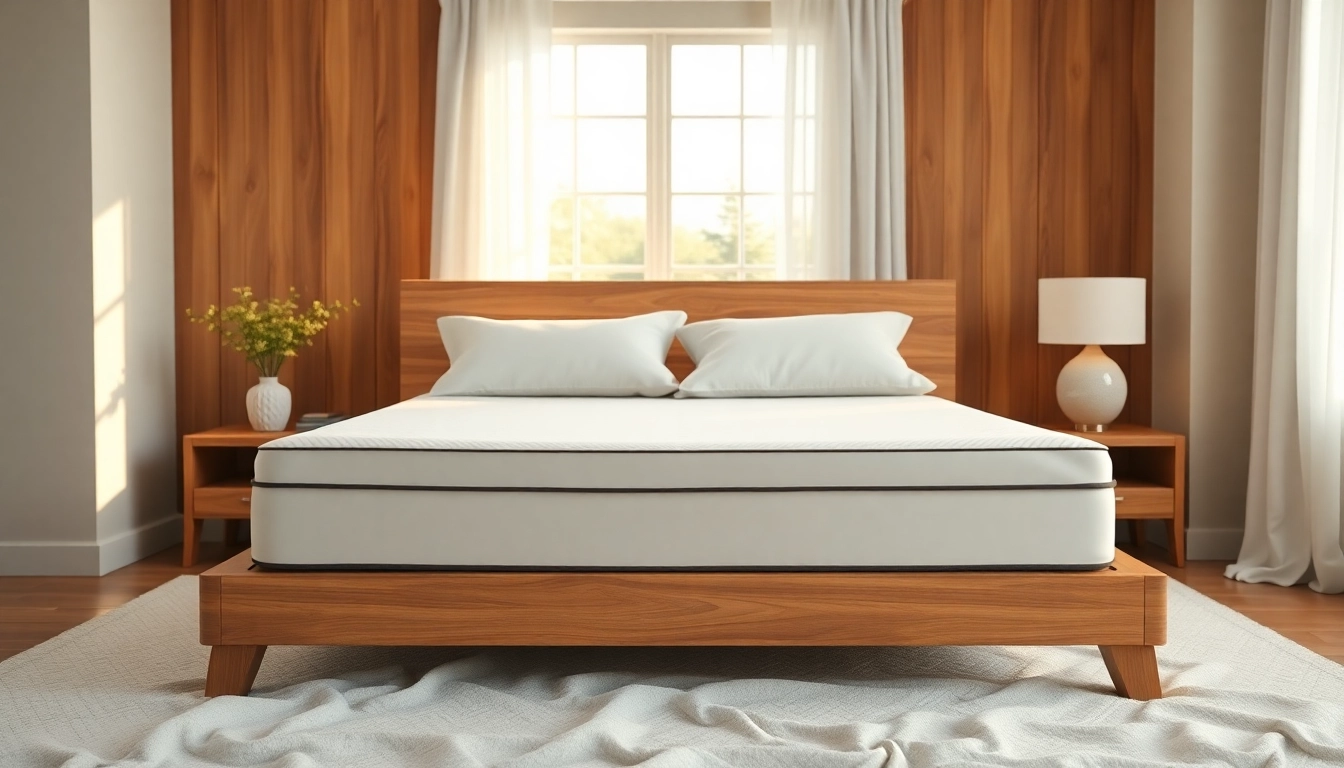
A flat box spring is a foundational support structure used beneath a mattress, designed to enhance stability and durability. Unlike traditional box springs that often come with a built-in elevation, flat box springs maintain a level surface that aligns seamlessly with the mattress above. This combination helps in distributing weight evenly, providing a solid base that can extend the lifespan of your mattress while promoting better sleep quality. Flat box springs are especially popular in modern bedroom setups where aesthetics and functionality go hand in hand. Furthermore, choosing a flat box spring can significantly alter your overall sleep experience, making it a crucial consideration during your mattress selection process.
Benefits of a Flat Box Spring
Flat box springs offer a variety of benefits that cater to both comfort and mattress longevity. Firstly, they provide a stable foundation that can help prevent sagging in the mattress. With a flat surface, the weight is evenly distributed, which alleviates stress on specific areas of the mattress. This not only prolongs the life of the mattress but also ensures consistent support while sleeping. Additionally, flat box springs can improve airflow around the mattress, contributing to a cooler night’s sleep. Their minimalist design works well with various decor styles, allowing homeowners to create a clean, modern aesthetic in their bedrooms without the bulkiness of traditional box springs.
Choosing the Right Flat Box Spring
When selecting a flat box spring, consider the size that corresponds to your mattress, as proper alignment is key to maximizing the benefits. Beyond size, assess the weight capacity, ensuring that it can support the combined weight of the mattress and the sleepers. The construction material is also essential; a sturdy wooden frame can offer excellent durability, while metal frames tend to provide a more sleek and modern look. Additionally, examine compatibility with mattress types—certain materials like memory foam may benefit more from specific box spring systems, enhancing their overall effectiveness. Lastly, take note of any warranty or return policies, as these factors can safeguard your investment.
Flat Box Spring vs. Traditional Box Spring
Key Differences Explained
The primary distinction between flat box springs and traditional box springs lies in their construction and intended function. Traditional box springs often contain springs or coils designed to absorb shock and provide a cushioned feel. This can be beneficial for comfort but may lead to uneven wear on the mattress over time. In contrast, flat box springs provide a stable, non-flexible foundation which can better preserve mattress integrity, particularly for firmer mattresses. These differences affect not only support but also the overall aesthetic of your bedding setup.
Advantages of Flat Box Spring
Apart from preventing sagging, flat box springs offer additional advantages such as enhanced stability and a more uniform surface area. This makes it easier to reposition and manage heavy mattresses. For those utilizing adjustable bed frames, the low-profile nature of flat box springs integrates well, allowing for seamless adjustments without disrupting the alignment of the mattress. Their simplistic design also means they are easier to transport and fit into spaces with limited access, making them a practical choice for various living arrangements.
Which One is Right for You?
The decision between a flat box spring and a traditional box spring often comes down to personal sleep preferences and the type of mattress you own. If your mattress is designed to respond best to a solid, flat surface, then a flat box spring is likely the most beneficial choice. For those who prefer a more cushioned feel, especially with innerspring mattresses, a traditional box spring might be more suitable. Consider your sleeping style, required support level, and whether you prioritize aesthetic elements in your bedroom setup when making your decision.
How to Properly Maintain Your Flat Box Spring
Cleaning Tips for Longevity
Regular maintenance of your flat box spring is essential to ensure its longevity and optimal performance. Begin by vacuuming the surface and edges to remove dust and debris. Spot clean any stains with a mild detergent and a damp cloth, avoiding excessive moisture that could compromise the structural integrity. For those who live in humid areas, placing a dehumidifier nearby can help reduce moisture buildup, which is essential for preventing mold and mildew.
When to Replace Your Flat Box Spring
While flat box springs are built to last, they are not impervious to wear and tear. Signs that it may be time for a replacement include creaking sounds, visible sagging or warping, and compromised structural support. If your mattress begins to sag or feels less supportive than before, it’s a good indicator that your flat box spring may need to be replaced. Regularly assessing its condition can help prolong your bed’s overall lifespan and ensure a healthy sleeping environment.
Common Issues and Solutions
Several common issues may arise with flat box springs, but many can be easily addressed. One common problem is squeaking, which can often be alleviated by tightening all screws and ensuring that it’s placed on a level surface. If you notice poor mattress support, check to see if the box spring is the right size; mismatching can lead to discomfort. Additionally, if the flat box spring is made of multiple sections, ensure that it’s properly aligned to avoid gaps. By proactively managing these minor issues, you can enhance the longevity and performance of your flat box spring.
Flat Box Spring and Mattress Compatibility
Finding the Right Mattress Match
When it comes to choosing the ideal mattress for your flat box spring, compatibility is crucial. Generally, memory foam and latex mattresses work well with flat box springs as they require a solid base to prevent sagging. Innerspring mattresses can also be paired effectively, provided they don’t rely on traditional box spring support. Always check the manufacturer’s recommendations when selecting a mattress to ensure it’s optimized for use with a flat box spring.
Benefits of a Perfect Match
A well-matched flat box spring and mattress can make a significant difference in your overall sleep quality. This combination ensures proper spinal alignment, as the even support of a flat box spring allows the mattress to perform as intended. This can lead to reduced pressure points, less tossing and turning during the night, and ultimately a more restorative sleep experience. Moreover, the longevity of both components can be maximized, as they complement each other’s structural integrity.
Adjusting Your Setup for Optimal Comfort
For the best results, consider customizing your bed setup to enhance comfort. Utilizing mattress toppers can adjust the feel of the mattress if it’s too firm. Adding a breathable mattress protector can also improve hygiene without affecting your existing setup. Additionally, experimenting with various bedding materials, such as sheets made from natural fibers, can contribute to overall comfort and temperature regulation, ensuring a cozy sleeping environment.
Customer FAQs about Flat Box Spring
What sizes are flat box springs available in?
Flat box springs are available in various sizes, including twin, full, queen, king, and California king, ensuring compatibility with most standard mattresses.
Do flat box springs provide adequate support?
Yes, flat box springs provide excellent support, promoting even weight distribution and preventing sagging, enhancing mattress durability.
Can I use a flat box spring with any mattress?
Most mattresses can be used with flat box springs, but it’s essential to check compatibility, especially with innerspring mattresses.
How do I clean my flat box spring?
Vacuum regularly and spot-clean stains with a mild detergent and damp cloth. Avoid soaking to maintain integrity.
Are flat box springs easy to move?
Flat box springs are typically lightweight and easier to move than traditional styles, making them convenient for transportation and setup.