Understanding the Image to 3D Conversion Process
The transformation of 2D images into 3D models is a revolutionary advancement, greatly impacting various industries such as gaming, film, and product design. With the advent of sophisticated image to 3D technologies, creators can bring their ideas to life more efficiently than ever before. This article delves deep into understanding how this technology works, its practical applications, and the tools available for artists and designers. When exploring options, Image to 3D solutions provide comprehensive insights for creators eager to elevate their projects.
What is Image to 3D Technology?
Image to 3D technology involves utilizing algorithms to convert 2D images into three-dimensional models. This process leverages computer vision and machine learning to analyze the features of the image, interpreting its depth and surface details. The result is a textured 3D model that can be used for visualization, virtual reality experiences, and even 3D printing. The technology has seen great advancements over the last few years, making it accessible for both amateur and professional creators.
How Does Image to 3D Software Work?
Image to 3D software primarily functions through a series of steps that analyze and reconstruct features from the input image. Initially, the software identifies shapes and structures through edge detection algorithms. It then applies texture mapping to incorporate realistic details based on the original image. Some programs also use AI to enhance the accuracy of the 3D model by predicting depth and surface characteristics. The most modern tools allow for the input of multiple images, providing a more comprehensive reconstruction of complex objects.
Common Applications of Image to 3D
The applications of image to 3D technology span numerous fields, making it a valuable tool across various industries:
- Gaming: Developers use this technology to create realistic game assets from concept art and imagery.
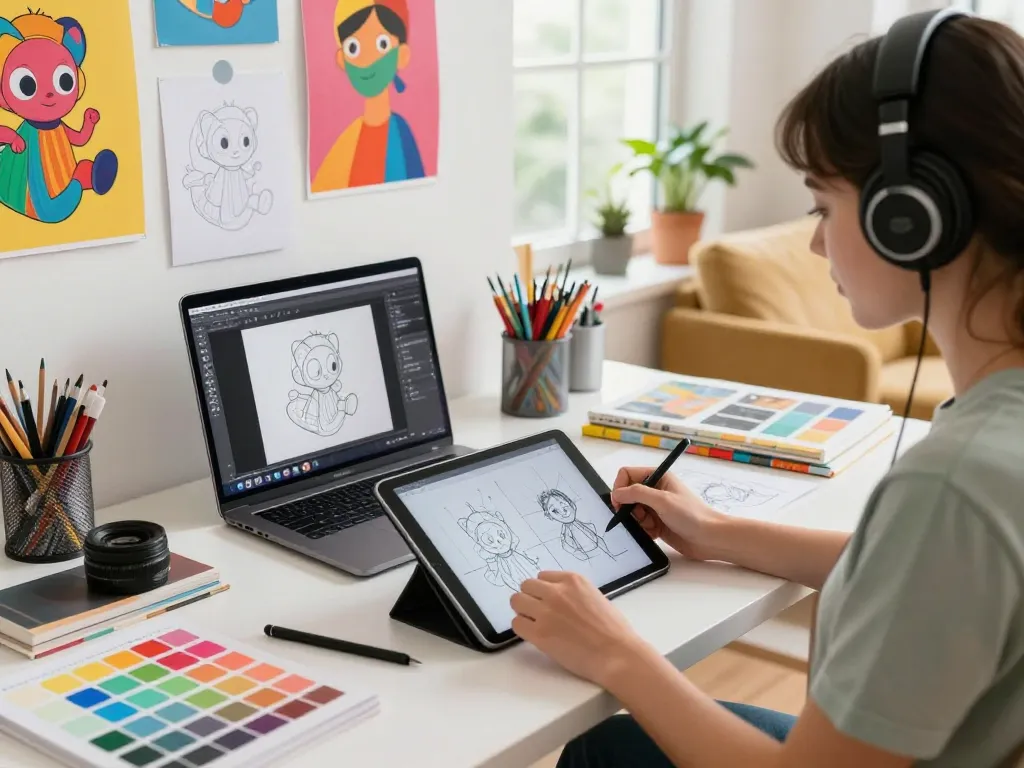
- Film & Animation: Filmmakers can turn storyboards or sketches into 3D visuals, aiding in pre-visualization.
- Product Design: Designers can generate prototypes quickly, ensuring that their designs are both practical and appealing.
- Education: 3D models created from images enhance learning materials, making them more interactive and engaging.
- Virtual Reality: By converting images into 3D, creators can develop immersive environments for users.
Choosing the Right Image to 3D Tools
As the demand for image to 3D solutions grows, numerous software options have emerged, each catering to different skill levels and project requirements. Understanding the capabilities of these tools is essential for achieving optimal results.
Top Software Options for Image to 3D in 2026
A comparison of leading image to 3D software can help users make informed decisions. Here are some of the top tools available in 2026:
- Meshy AI: Known for its intuitive interface, Meshy AI allows users to generate 3D models effortlessly from images. Its community features also provide support and inspiration.
- Sloyd AI: This tool excels in converting images into 3D models with significant texture detail, making it ideal for game developers.
- Tripo: Tripo offers fast processing times and a user-friendly experience, perfect for those new to 3D modeling.
- HexaGen: Specializing in high-quality, realistic models, HexaGen is suitable for professionals looking for intricate details.
- Fast3D: As a free option, Fast3D is appealing for small-scale projects, offering a range of functionalities without requiring a subscription.
Comparative Analysis of Free vs. Paid Tools
When choosing between free and paid image to 3D tools, users should consider the following:
- Features: Paid tools often offer advanced features such as enhanced rendering, better detail, and customer support.
- Updates: Paid software usually receives regular updates, improving functionality and adapting to user needs.
- Community & Support: Subscribers to paid services often have access to dedicated support, which can be invaluable for troubleshooting.
- Trial Versions: Many paid tools offer free trials, enabling users to explore features before committing financially.
User Reviews and Testimonials
User feedback is a critical element in determining the effectiveness of image to 3D tools. Platforms like Reddit and specialized forums provide insights into user experiences. Many users praise the speed and quality of conversion offered by tools like Sloyd and Meshy AI, while some highlight the learning curve associated with more complex software.
Best Practices for Successful Image to 3D Projects
Achieving high-quality 3D models from 2D images requires careful planning and execution. Here are some best practices to follow:
Preparing Your 2D Images for Optimal Output
Quality input images lead to superior 3D models. Here are some tips for preparing your images:
- Use high-resolution images to capture as much detail as possible.
- Ensure the subject of the image is well-lit and clearly defined.
- Avoid cluttered backgrounds that may distract the software from recognizing the primary subject.
Techniques for Enhancing Model Details
Once your image is prepared, utilizing techniques to enhance the model’s detail can elevate your project:
- Consider using multi-angle images to provide the software with additional perspectives.
- Apply post-processing techniques in 3D software to add depth and realism.
- Incorporate textures and colors that align closely with the original image to maintain fidelity.
Common Mistakes to Avoid in Image to 3D Conversion
Avoiding common pitfalls can save time and improve results. Here are mistakes to steer clear of:
- Using low-resolution images that limit detail.
- Neglecting to adjust lighting in the image, which can affect the model’s realism.
- Overcomplicating the image when simpler compositions yield better results.
Case Studies: Image to 3D Success Stories
Real-world applications offer valuable insights into the potential of image to 3D technology. Let’s explore a few notable case studies.
Innovative Projects Using Image to 3D
Various industries have leveraged image to 3D technology to bring their visions to life:
- Game Development: A leading game studio utilized image to 3D software to convert character sketches into fully functional 3D models, streamlining their design process.
- Fashion Design: Designers used images of textiles to create 3D patterns for virtual runway shows, enhancing the visual experience for the audience.
- Architecture: Architects employed image to 3D tools to visualize building concepts from sketches, allowing clients to experience spaces before construction.
Interviews with Designers and Creatives
Insights gathered from industry professionals illustrate the transformative potential of image to 3D technologies. Many designers report increased efficiency and creativity when utilizing these tools, allowing for rapid prototyping and iterations.
Lessons Learned from Real-world Applications
Through trial and error, many professionals have learned valuable lessons about the limitations of current technologies and the importance of merging traditional techniques with modern tools. This knowledge helps to refine processes and improve outcomes in future projects.
Future Trends in Image to 3D Technology
The landscape of image to 3D technology continues to evolve, with exciting trends on the horizon that promise to reshape how we create and interact with 3D models.
Advancements on the Horizon for 2026 and Beyond
Emerging technologies such as augmented reality (AR) and virtual reality (VR) are beginning to intersect with image to 3D processes, expanding the possibilities for creators. Upcoming developments in AI are expected to enhance the accuracy of model generation and streamline workflows even further.
Impact of AI on Image to 3D Processes
AI’s role in the image to 3D domain cannot be overstated. As machine learning algorithms become more sophisticated, we anticipate a significant reduction in the time required for model processing, allowing artists to focus on creativity rather than technical challenges.
Predictions for the Industry’s Growth and Evolution
The image to 3D industry is poised for robust growth, driven by increasing demand in sectors such as e-commerce, entertainment, and education. As tools become more accessible and affordable, we can expect a surge in user-generated content, further fueling innovation and collaboration.
What is the best software for Image to 3D conversion?
Choosing the best software depends on individual needs and project specifications. However, popular tools like Meshy AI and Sloyd AI are frequently recommended for their user-friendly interfaces and powerful features.
Can I create 3D models for free?
Yes, several free tools, like Fast3D, allow users to create 3D models from images at no cost. While these tools may have limitations compared to paid software, they are excellent for beginners.
How can I improve my 2D images for 3D transformation?
Improving your 2D images for 3D transformation involves ensuring high resolution, good lighting, and a clear focus on the subject matter. The cleaner and more detailed your images, the better the resulting 3D models will be.
What industries benefit most from Image to 3D technology?
Industries such as gaming, film, architecture, fashion, and education particularly benefit from image to 3D technology, as it enhances their creative processes and improves project outcomes.
Are there any upcoming trends to watch in 3D modeling?
Key trends to watch include the integration of AI in model generation, advancements in AR and VR applications, and the move towards more collaborative and community-driven platforms for 3D creation.