Understanding the DJI Mavic 3 Termico
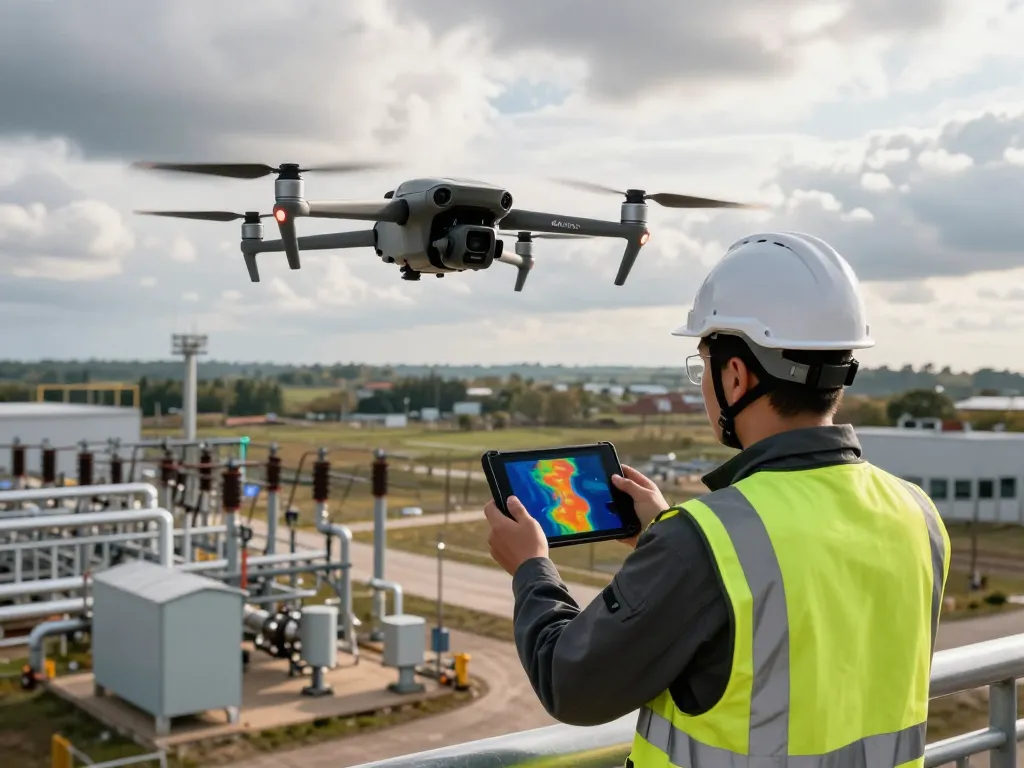
The DJI Mavic 3 termico represents a groundbreaking advancement in drone technology, particularly in the field of thermal imaging. Designed for both professional use and industrial applications, this drone combines powerful imaging capabilities with user-friendly features, making it an invaluable tool for various sectors. In an era where precision and efficiency are paramount, understanding the unique offerings of the Mavic 3 Termico can significantly enhance operational outcomes.
Key Features of the DJI Mavic 3 Termico
One of the standout features of the DJI Mavic 3 Termico is its state-of-the-art thermal camera, which boasts a resolution of 640 x 512 pixels. This camera provides high-quality thermal imaging that allows users to capture intricate details crucial for inspections and data collection. Additionally, the drone includes:
- Dual-Camera System: The Mavic 3 Termico features both a thermal and a visible light camera. This enables operators to switch seamlessly between imaging modes, enhancing situational awareness.
- Extended Flight Time: With a maximum flight time of up to 45 minutes, users can cover substantial areas in a single flight, increasing overall productivity.
- Advanced Flight Modes: Equipped with intelligent flight modes, the Mavic 3 Termico can autonomously follow pre-set flight paths, ensuring precise data capture.
- Real-Time Data Transmission: The drone supports live streaming of thermal data, allowing for real-time decision-making during critical operations.
Applications in Various Industries
The versatility of the DJI Mavic 3 Termico enables its application across various sectors, including:
- Search and Rescue: The thermal imaging capabilities make it ideal for locating missing persons in difficult terrains or during nighttime operations.
- Building Inspections: Inspectors can utilize thermal imaging to identify heat leaks, moisture intrusion, and other inefficiencies in residential and commercial buildings.
- Agriculture: Farmers can monitor crop health and irrigation levels, detecting areas that require attention before they become critical.
- Infrastructure Monitoring: The drone can assess the condition of bridges, power lines, and other infrastructure, facilitating preventive maintenance.
How Thermal Imaging Works
Thermal imaging technology captures the infrared radiation emitted by objects, translating temperature variations into visual data. This functionality allows operators to identify heat sources, insulation defects, and even moisture accumulation. Understanding how to interpret this data is crucial for effective application in the field.
Getting Started with the DJI Mavic 3 Termico
Unboxing and Setup Process
Upon receiving the DJI Mavic 3 Termico, users should follow a systematic unboxing and setup process to ensure optimal performance. Key steps include charging the battery fully before first use, updating the firmware via the DJI Fly app, and familiarizing oneself with the drone’s components, including the remote controller and camera settings.
Initial Calibration and Safety Checks
Before taking flight, conducting thorough calibration and safety checks is essential. This process includes:
- Calibration of the compass and IMU (Inertial Measurement Unit).
- Conducting a pre-flight checklist to verify that all systems are functioning correctly.
- Ensuring that the area is clear of obstacles and that weather conditions are suitable for flying.
Best Practices for First Flight
For novice users, conducting the first flight in a controlled environment is advisable. Start with basic maneuvers to build confidence in operating the drone, and gradually incorporate thermal imaging features as familiarity with the controls increases.
Operational Techniques for Effective Use
Utilizing Thermal Imaging for Inspections
To maximize the advantages of the thermal imaging capabilities, operators should focus on specific techniques, such as:
- Using appropriate color palettes to enhance thermal contrast and detail.
- Adjusting the thermal sensitivity settings to optimize data capture based on the inspected materials.
Data Collection and Analysis Methods
Operators should integrate systematic data collection procedures, including:
- Documenting flight paths and thermal data using the DJI Fly app.
- Reviewing captured images and videos in post-flight analysis software to draw actionable insights.
Optimizing Flight Paths for Efficiency
To enhance operational efficiency, consider planning flight paths that minimize energy consumption while maximizing coverage. Utilizing waypoints through the DJI software can aid in creating efficient routes that ensure all critical areas are inspected thoroughly.
Maintenance and Troubleshooting
Routine Maintenance Checks
Routine maintenance is vital for ensuring the longevity and performance of the Mavic 3 Termico. This includes:
- Regular cleaning of the camera lenses to prevent obstruction and maintain image clarity.
- Checking battery health and replacing any batteries that show signs of deterioration.
- Updating software and firmware to the latest versions to leverage new features and security enhancements.
Common Issues and Solutions
Common challenges may include connectivity issues, GPS malfunction, and battery failures. Troubleshooting these can involve:
- Resetting the drone’s settings to factory defaults in case of persistent software issues.
- Ensuring that the firmware is up-to-date if GPS or navigation issues arise.
When to Seek Professional Support
If problems persist despite troubleshooting efforts, it’s advisable to seek professional support. DJI’s customer service can assist with more complex technical issues, and authorized service centers can handle physical repairs.
Future Trends and Innovations in Drone Technology
Projected Developments for 2026 and Beyond
As drone technology rapidly evolves, several trends are expected to shape the future of drones like the Mavic 3 Termico:
- Increased integration of artificial intelligence for enhanced data analysis and automated flight operations.
- Advancements in battery technology leading to longer flight times and decreased charging periods.
- Expanded regulatory frameworks that facilitate the safe integration of drones into commercial airspace.
Impact of AI and Automation in Drone Operations
AI technologies are likely to enhance the operational capabilities of drones. Features such as object detection, obstacle avoidance, and autonomous flight path planning will not only improve safety but also facilitate more complex missions that require precision and efficiency.
Environmental Considerations in Drone Usage
As environmental concerns grow, the drone industry is expected to adopt measures to reduce its ecological footprint, including:
- Utilizing sustainable materials in drone manufacturing.
- Developing eco-friendly batteries and power systems.
What makes the DJI Mavic 3 termico unique?
The unique combination of advanced thermal imaging capabilities, dual-camera functionality, and user-friendly design distinguishes the DJI Mavic 3 termico in the drone market. Its versatility across various applications ensures it stands out among its competitors.
Can the DJI Mavic 3 termico be used for search and rescue?
Yes, the DJI Mavic 3 termico is exceptionally well-suited for search and rescue operations due to its thermal imaging capabilities. It can locate individuals in low-light situations and difficult terrains, making it a critical tool for first responders.
How does the DJI Mavic 3 termico compare to other thermal drones?
When compared to other thermal drones, the DJI Mavic 3 termico offers superior image quality, longer flight times, and advanced features such as real-time data streaming, making it a preferred choice for professionals.
What training is required to operate the DJI Mavic 3 termico?
While the DJI Mavic 3 termico is user-friendly, training in drone operations is essential for safety and effective use. Operators should familiarize themselves with the drone’s features through training programs offered by DJI or certified training organizations.
What industries benefit most from the DJI Mavic 3 termico?
Industries such as construction, agriculture, law enforcement, and environmental monitoring benefit significantly from the sophisticated thermal imaging capabilities of the DJI Mavic 3 termico, as it enhances operational efficiency and data accuracy.