
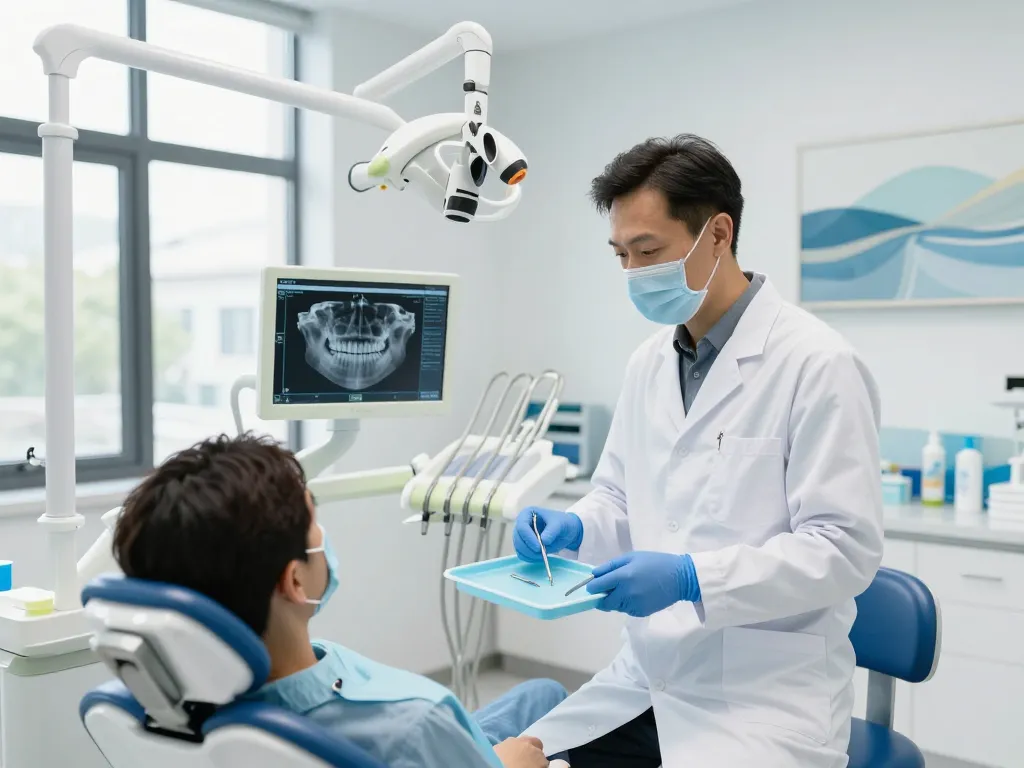
Understanding the Role of a Dentist in Modern Dentistry
The role of a dental professional extends far beyond simply performing routine checkups. In today’s rapidly evolving dental landscape, dentists are at the forefront of a healthcare revolution, utilizing innovative tools and techniques to provide optimal care. In addition to diagnosing and treating oral health issues, dentists play a pivotal role in educating patients about hygiene practices and preventive care. When exploring options, Dentist reviews provide comprehensive insights into the qualifications and expertise of dental providers, assisting individuals in making informed choices about their oral health care.
What Does a Dentist Do?
At its core, the primary responsibility of a dentist is to ensure the health of their patients’ teeth and gums. This includes:
- Oral Examinations: Conducting thorough examinations to assess overall dental health and detect any potential issues early.
- Diagnosis: Identifying dental problems such as cavities, gum disease, and oral cancer through clinical tests and diagnostic imaging.
- Treatment Planning: Developing tailored treatment plans that may include restorative procedures, preventive care, and patient education.
- Performing Procedures: Carrying out various dental procedures such as fillings, root canals, extractions, and cosmetic enhancements.
- Patient Education: Informing patients about proper oral hygiene practices and the importance of regular dental visits.
Qualities to Look for in a Trusted Dentist
Choosing the right dentist is critical for ensuring the best possible care. Here are some essential qualities to consider:
- Experience: Look for a dentist with a solid background and extensive experience in their field.
- Credentials: Verify that the dentist is licensed and holds relevant certifications and memberships in professional associations.
- Communication Skills: A great dentist should listen to your concerns, explain procedures clearly, and ensure you are comfortable throughout your treatment.
- Technology Savvy: Familiarity with modern dental technologies demonstrates a commitment to staying current with industry advancements.
- Positive Reviews: Pay attention to patient feedback and testimonials to gauge the overall satisfaction of previous clients.
The Importance of Continuing Education for Dentists
In the field of dentistry, ongoing education is vital. Dental professionals must keep abreast of the latest techniques, technologies, and research findings to provide the best care. Continuing education allows dentists to enhance their skills, adopt new procedures, and improve patient outcomes. Many dentists participate in workshops, online courses, and seminars to refine their expertise, ensuring they can offer cutting-edge treatments.
Choosing the Right Dentist for Your Needs
Finding a dentist that aligns with your individual needs can be a daunting task. Here are some key factors to consider:
Evaluating Dentists: Factors to Consider
When evaluating potential dentists, assess the following criteria:
- Specialization: Some dentists focus on general dentistry, while others specialize in areas such as orthodontics, periodontics, or oral surgery.
- Office Environment: Visit the dental office to gauge the level of professionalism, cleanliness, and comfort.
- Insurance Compatibility: Confirm whether the dentist accepts your insurance plan or offers flexible payment options.
- Emergency Care: Inquire about the practice’s protocol for handling dental emergencies outside of regular hours.
Understanding Different Dental Specialties
Dental care encompasses various specialties, each focusing on specific areas of oral health. The main dental specialties include:
- Orthodontics: Focuses on correcting misaligned teeth and jaws.
- Periodontics: Specializes in the prevention, diagnosis, and treatment of gum disease.
- Pediatric Dentistry: Caters to the unique dental needs of children and adolescents.
- Oral and Maxillofacial Surgery: Involves surgical interventions to treat injuries, diseases, and deformities of the oral and facial regions.
How to Find Top-Rated Dentists in Your Area
Finding a highly qualified dentist in your area can be accomplished through several means:
- Referrals: Ask friends, family, or healthcare professionals for recommendations.
- Online Reviews: Utilize platforms like Yelp or Google to read reviews and ratings of local dentists.
- Dental Association Websites: Check the websites of local dental associations for lists of accredited professionals.
The Latest Innovations in Dental Technology
Modern dentistry has witnessed groundbreaking advancements that enhance both treatments and patient experiences. Let’s delve into some of these innovations:
Advanced Dental Equipment: What to Know
From laser dentistry to digital impressions, contemporary dental equipment improves accuracy and efficiency. Some notable advancements include:
- 3D Printing: Enables the rapid creation of dental devices such as crowns, bridges, and dentures.
- Intraoral Cameras: Allow dentists to easily capture images inside a patient’s mouth for better diagnostics and education.
- Digital X-Rays: Provide faster and safer imaging alternatives with less radiation exposure compared to traditional methods.
Tele-dentistry: A New Era of Patient Care
Tele-dentistry has emerged as a revolutionary concept, allowing patients to consult with their dentist from the comfort of their homes. This innovation provides several benefits:
- Accessibility: Patients in remote locations can access dental care without the need for lengthy travels.
- Convenience: Tele-dentistry appointments can often be scheduled more flexibly, accommodating busy lifestyles.
- Cost-effectiveness: Remote consultations may reduce overall costs associated with in-person visits.
How Technology is Changing Dental Procedures
Technological advancements are transforming traditional dental procedures, making them more efficient and less invasive. For example:
- Minimally Invasive Dentistry: Techniques such as air abrasion can treat cavities without drilling, leading to less discomfort for patients.
- Computer-Guided Surgery: Utilizes 3D imaging for precise placement of implants, enhancing patient outcomes.
- Digital Smile Design: Enables patients to visualize potential outcomes of cosmetic procedures before they occur.
Common Dental Procedures Explained
Understanding commonly performed dental procedures can empower patients to take charge of their oral health. Below are explanations of frequent treatments:
Routine Checkups and Cleanings
Regular checkups, typically recommended every six months, include examinations and professional cleanings to prevent oral health issues. During checkups, dentists assess for cavities, gum disease, and other oral health concerns, while cleanings help remove plaque and tartar buildup.
Cosmetic Dentistry Options
Cosmetic procedures aim to enhance the appearance of smiles. Options include:
- Teeth Whitening: A popular treatment to brighten stained or discolored teeth.
- Veneers: Thin shells placed over the front of teeth to improve aesthetics.
- Bonding: A procedure to repair chipped or cracked teeth using tooth-colored resin.
Understanding Oral Surgery Procedures
Oral surgery encompasses a range of surgical interventions, including:
- Dental Extractions: Removing damaged or problematic teeth.
- Wisdom Teeth Removal: A common procedure to prevent crowding and pain.
- Jaw Surgery: Aimed at correcting misalignments for improved function and appearance.
Future Trends in Dentistry: Insights for 2026 and Beyond
The dental field is continually evolving, driven by technological advancements and changing patient expectations. Here are predictions shaping the future of dentistry:
Predictions for Dental Practices in the Coming Years
By 2026, dental practices are expected to adopt even more patient-centric approaches, emphasizing personalized care and enhanced accessibility. Innovations such as AI-driven diagnostics and treatment planning will likely become standard.
Emerging Technologies Shaping the Dental Field
Emerging technologies like augmented reality (AR) may assist dentists during procedures, providing real-time data overlays to improve precision. Wearable technology may also begin to monitor oral health and encourage better hygiene habits among patients.
How Patient Preferences Are Influencing Dental Care
As patients become more informed, their preferences are shaping how dental services are delivered. Demand for convenience, affordability, and tailored treatment options will drive practices to innovate and enhance service delivery.
What Are the Side Effects of Ignoring Dental Care?
Neglecting dental care can lead to various serious health issues, including:
- Tooth decay and loss
- Gum disease, which has been linked to systemic conditions like heart disease
- Increased dental costs due to untreated problems
How Often Should You Visit the Dentist?
Most adults should aim for dental visits every six months, but individuals with specific health concerns or dental issues may require more frequent checkups. Regular visits aid in early detection and prevention of oral health problems.