
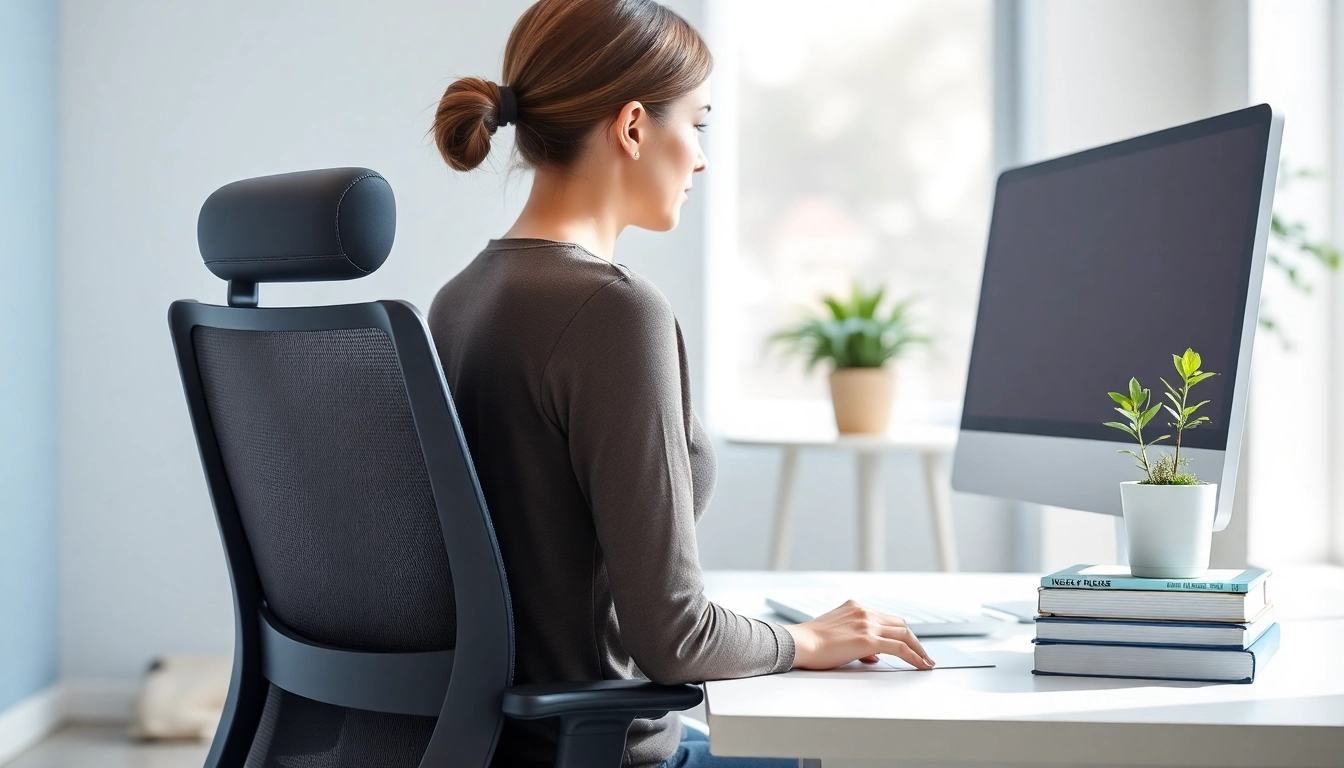
Understanding Back Pain and Its Causes
Back pain is a common ailment that affects millions of individuals worldwide. Understanding the underlying causes of back pain is crucial for finding effective solutions. Factors contributing to back pain can range from poor posture to physical injuries. By delving deep into the intricacies of this condition, one can adopt effective back pain solutions for relief and prevention.
Common Types of Back Pain
Back pain can be categorized into several types, each with unique characteristics. The most prevalent types include:
- Acute Back Pain: Sudden onset pain that may be caused by an injury or strain, typically lasting for a few days to weeks.
- Chronic Back Pain: Ongoing pain that persists for three months or longer, often arising from underlying conditions.
- Radicular Pain: Often associated with sciatic nerve issues, this type radiates down the leg and is characterized by tingling or numbness.
- Myofascial Pain: This type arises from muscle strain and tension, resulting in discomfort in the back or surroundings.
Recognizing these types helps identify the appropriate course of treatment.
Identifying Triggers
Many factors can trigger back pain. Some common triggers include:
- Inactivity: Long periods of sitting or inactivity can weaken back muscles.
- Sudden Movement: Quick, jerking motions can strain the back and lead to pain.
- Lifting Heavy Objects: Improper lifting techniques can lead to injuries and chronic pain.
- Stress: Emotional stress may result in muscle tension, contributing to back pain.
Understanding these triggers is crucial for implementing preventive strategies.
The Impact of Poor Posture
Poor posture is a leading cause of back pain. Sitting or standing incorrectly places undue stress on the spine and surrounding muscles. Over time, this can lead to long-lasting discomfort. Key aspects of poor posture include:
- Slouching: Rounding the shoulders and leading with the chin can strain the upper back.
- Forward Head Posture: Protruding the head forward places extra pressure on the cervical spine.
- Crossed Legs: This can lead to an imbalance in the pelvis and lower back stress.
Correcting posture is essential for alleviating and preventing back pain.
Practical Back Pain Solutions for Daily Life
Implementing practical solutions in daily routines can significantly reduce back pain. Here, we explore some effective strategies.
Ergonomic Adjustments at Home
Making ergonomic adjustments in your home environment can ease back pain considerably. Start with the following:
- Adjust Your Chair: Ensure your chair supports your lower back. Lumbar supports can vastly improve comfort.
- Desk Height: Your desk should allow your elbows to rest at a 90-degree angle while typing.
- Monitor Position: The top of your monitor should be at or slightly below eye level to reduce neck strain.
Regularly assess your home setup to make necessary adjustments for optimal ergonomics.
Workplace Modifications for Better Posture
A significant amount of back pain originates from the workplace. Consider these modifications:
- Change Your Position: Alternate between sitting and standing using adjustable desks.
- Footrests: Using a footrest can promote better posture by providing additional support.
- Frequent Breaks: Stand, stretch, and walk around regularly to improve blood circulation and reduce tension.
Workplace ergonomics play a crucial role in preventing back pain and enhancing productivity.
Stretching and Strengthening Exercises
Engaging in regular stretching and strengthening exercises can enhance flexibility and strengthen back muscles. Here are some effective exercises:
- Child’s Pose: This stretch alleviates tension in the back and improves flexibility.
- Bridging: Strengthens lower back and glute muscles, providing support to spine.
- Cat-Cow Stretch: Increases mobility and alleviates stiffness in the back.
Incorporating these exercises into your routine can yield long-term benefits for back health.
Alternative Therapies for Back Pain Solutions
In addition to conventional methods, various alternative therapies can provide relief from back pain.
Chiropractic Care
Chiropractic care focuses on realigning the spine to alleviate pain and improve function. Regular adjustments can help reduce discomfort, improve posture, and increase mobility. By addressing misalignments, chiropractors can promote overall spinal health.
Acupuncture Benefits
Acupuncture is an ancient practice that involves inserting thin needles into specific points on the body. This method can stimulate nerves, muscles, and connective tissue, fostering healing and reducing pain. Many individuals report significant relief from chronic back pain through acupuncture.
Massage Therapy Techniques
Massage therapy can effectively reduce muscle tension, improve circulation, and enhance relaxation. Techniques such as Swedish massage, deep tissue massage, and trigger point therapy can target specific areas of pain, providing targeted relief. Regular massage sessions can contribute significantly to overall back health.
Preventive Measures for Long-Term Back Health
Adopting preventive measures is essential for maintaining a healthy back over time. Here are some effective strategies to consider.
Daily Habits to Foster Good Posture
Incorporating daily habits that promote good posture can drastically reduce back pain risks. Essentials include:
- Mindful Sitting: Always sit up straight with your back well-supported.
- Standing Tall: When standing, distribute your weight evenly on both feet.
- Active Movement: Engage in physical activities to strengthen the back and core muscles.
Consciously practicing good posture can mitigate pain over time.
Nutritional Support for Joint Health
Nutritional choices significantly impact joint and bone health. Important dietary considerations include:
- Omega-3 Fatty Acids: Found in fish oil, these help reduce inflammation.
- Calcium and Vitamin D: Essential for maintaining strong bones.
- Antioxidants: Fruits and vegetables high in antioxidants can mitigate oxidative stress in the body.
A well-balanced diet can support long-term back health and aid in injury prevention.
Choosing the Right Footwear
The right footwear plays a crucial role in maintaining spinal alignment. When selecting shoes, consider the following:
- Supportive Design: Choose shoes that offer adequate support and cushioning.
- Proper Fit: Ensure shoes fit properly to avoid discomfort and strain.
- Avoid High Heels: High heels can throw off spinal alignment and lead to back pain.
Selecting appropriate footwear can drastically impact your posture and minimize back pain risks.
When to Seek Professional Help
While many back pain solutions can be addressed at home, it’s vital to recognize when to seek professional help.
Signs That Indicate a Serious Issue
Sometimes back pain can signal more serious medical conditions. Be alert to these symptoms:
- Unexplained Weight Loss: This could indicate an underlying health issue.
- Pain Following an Injury: Significant trauma can lead to fractures or other serious injuries.
- Neurological Symptoms: Weakness or numbness in the legs may suggest nerve damage.
Recognizing these signs is essential for timely intervention and treatment.
Consulting a Healthcare Provider
If pain persists, consulting a healthcare provider is crucial. A thorough assessment can identify the root cause and guide you towards appropriate treatments. Expect a physical examination and possibly imaging tests to rule out significant issues.
Preparing for Your Appointment
To maximize your appointment’s effectiveness, prepare beforehand. Consider the following:
- Symptom Diary: Keep track of when symptoms occur and any triggers.
- Medical History: Be ready to discuss your medical history and any previous treatments.
- Questions List: Write down any questions or concerns to ensure they are addressed during your visit.
Preparation can significantly enhance communication with your healthcare provider, leading to better outcomes.
FAQs about Back Pain Solutions
1. What are some home remedies for back pain?
Home remedies like hot/cold compresses, gentle stretching, and topical pain relief gels can be effective in alleviating back pain.
2. How can I tell if it’s a serious injury?
Seek medical attention if pain is severe, persists longer than a few weeks, or is accompanied by abnormal sensations or weakness.
3. Are there specific exercises to avoid with back pain?
Exercises that involve heavy lifting, twisting the spine, or high-impact activities should generally be avoided to prevent aggravation.
4. How does weight impact back pain?
Excess weight can strain the back and worsen pain. Maintaining a healthy weight is beneficial for back health.
5. Can back pain be completely cured?
While many cases of back pain can be managed effectively, some chronic conditions may require ongoing management rather than complete cure.