Understanding Cape Cod Homes
For many, cape cod homes represent more than just architectural styles; they encapsulate a unique sense of place and history. With their charming simplicity and functional layouts, these homes reflect the coastal life of New England. In this section, we will explore the historical significance, architectural features, and the benefits of living in Cape Cod homes, building a comprehensive understanding of their lasting allure.
Historical Significance of Cape Cod Homes
The roots of Cape Cod homes trace back to the 17th century, when early settlers sought to create functional shelters that could withstand the harsh New England weather. These homes were typically constructed with timber and featured steep roofs to effectively shed snow and rain. The design evolved through the centuries, influenced by colonial styles, local resources, and the needs of the inhabitants. As time progressed, Cape Cod homes became synonymous with a nostalgic view of American life, embodying simplicity and craftsmanship that resonate with many today.
Architectural Features of Cape Cod Homes
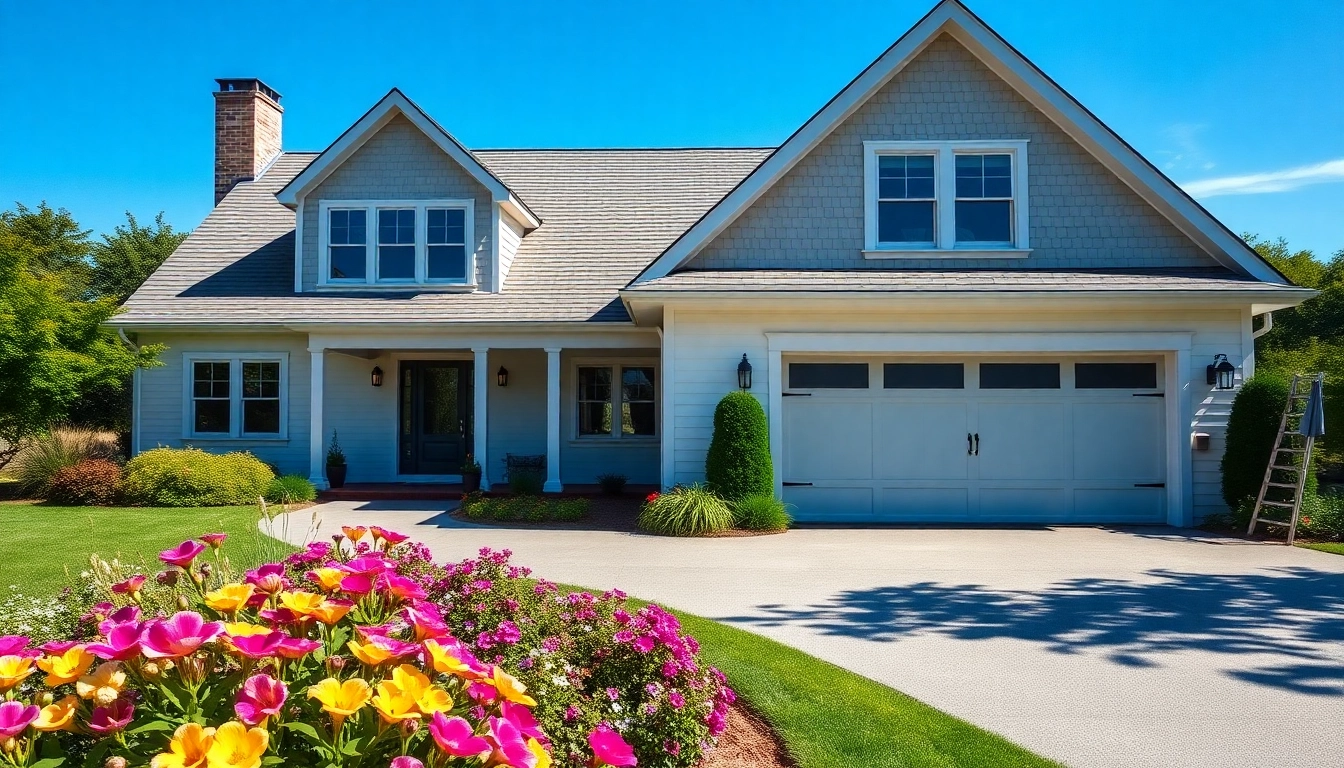
Typical architectural features of Cape Cod homes include a symmetrical facade, windows typically arranged in groups, and the iconic steep roofline. The main body is usually one or one-and-a-half stories tall, allowing for a cozy interior that favors small, intimate spaces. Many Cape Cod homes utilize wooden clapboard siding, often painted in soft, muted colors that blend seamlessly with the coastal environment. The charm lies not only in these external features but also in the functional aspects, such as central chimneys, dormer windows to increase light, and open floor plans that encourage family interaction.
Benefits of Living in Cape Cod Homes
The primary benefits of living in Cape Cod homes are rooted in their design and historical context. Their cozy layouts promote a sense of community and family, making them ideal for gatherings. Additionally, the durability of the structure lends itself to longevity and sustainability, aligning with modern homeowners’ desires for resilience. Furthermore, these homes often have great potential for expansion or renovation, allowing families to adapt to changing needs while retaining the architectural integrity that makes Cape Cod homes so beloved.
Planning Your Cape Cod Home Expansion
Expanding a Cape Cod home presents unique challenges and exciting opportunities. It requires careful planning and consideration to preserve the charm while meeting modern needs. This section will provide a comprehensive guide on assessing current space, determining design and functionality, as well as understanding permits and regulations.
Assessing Your Current Space
Before embarking on an expansion, it’s crucial to assess your existing space holistically. Identify which areas lack functionality and where the need for additional rooms arises. Consider the flow of the home—does it support everyday living? Take measurements and note architectural features that should be preserved or enhanced. This assessment serves as the backbone for your expansion plan, ensuring that the modifications align with not just your immediate needs but also your long-term lifestyle goals.
Determining Design and Functionality
With a solid assessment of your space, the next step involves determining the design and functionality of your expansion. Will you be adding bedrooms, a family room, or perhaps an attached garage? Factor in elements of Cape Cod architecture to ensure that the new space harmonizes with the existing aesthetic. Incorporating modern rear or side extensions can offer additional square footage while respecting the traditional look of your home. Collaborating with an architect specializing in Cape Cod homes can greatly assist in navigating design choices.
Understanding Permits and Regulations
Home expansions are often subject to local zoning laws and building codes. Understanding these regulations is essential not only for legal compliance but also for the successful completion of your project. Start by consulting your local planning office or building department to gather necessary permits. Some sudden challenges may arise, such as restrictions on expansion sizes based on lot coverage or architectural standards in historic districts. Ensure you comply with the rules to avoid costly disruptions during construction.
Design Trends for Cape Cod Homes
Modern approaches to expanding and renovating Cape Cod homes merge traditional elements with contemporary styles, creating a blend that appeals to new generations of homeowners. This section will explore current design trends, including incorporating modern elements, utilizing sustainable materials, and enhancing curb appeal.
Incorporating Modern Elements
Many homeowners today desire modern conveniences while maintaining the charm of their Cape Cod homes. Incorporating modern elements can enhance functionality without compromising aesthetic appeal. Open floor plans, integrated smart home technology, and eco-friendly appliances can seamlessly fit into a Cape Cod framework. It’s possible to fuse the traditional with the contemporary through careful selection of materials, furnishings, and design layout.
Utilizing Sustainable Materials
Sustainability is an important consideration in contemporary home design, and Cape Cod homes are no exception. Homeowners are increasingly prioritizing sustainable materials in their renovations and expansions. From reclaimed wood and bamboo flooring to energy-efficient windows and insulation, utilizing these materials not only benefits the environment but also adds distinctive character to the home. Durable, low-maintenance options that can withstand the coastal elements are also ideal for coastal living.
Enhancing Curb Appeal
Curb appeal is essential in maintaining the charm of Cape Cod homes, especially when expanding. A thoughtful approach to landscaping, exterior paint colors, and porch designs can significantly enhance your home’s look and feel. Adding decorative shingles, wrap-around porches, or even a fresh coat of paint can yield a substantial impact. Engage with landscape architects to ensure the outdoor space complements the expanded home, creating a cohesive look that captures the essence of Cape Cod living.
Budgeting for Your Cape Cod Home Project
Budgeting is a critical component of any home expansion project. It’s vital to have a clear and realistic financial plan to manage costs and avoid unexpected expenses. In this section, we’ll cover essential aspects such as estimating costs for different expansions, financing options for homeowners, and strategies for maximizing value in renovations.
Estimating Costs for Different Expansions
When estimating costs, consider various factors including labor, materials, and permit fees. Expanding vertically with a second story is generally more expensive than horizontal expansion, which may result in new construction or larger remodels. Break down the costs per square foot to project a more tailored budget. Keep in mind that while some homes may require extensive renovations, maintaining your existing structure will often save money in the long run.
Financing Options for Homeowners
Many homeowners seek financing options to facilitate their expansion projects. Assess your finances and consider alternatives such as home equity loans, personal loans, or mortgages that allow for renovations. Speak to financial advisors who specialize in home financing to navigate the options best suited for your situation, ensuring you can comfortably handle payments while executing your expansion plans.
Maximizing Value in Renovations
To ensure high value in your renovations, focus on updates that will bring the most return on investment. Updated kitchens and bathrooms often yield significant value, while functional outdoor spaces can enhance overall property appeal. Prioritize quality materials and workmanship to minimize long-term maintenance costs while maximizing your home’s resale value. Thoughtfully considering which areas to renovate can lead to substantial gains when it comes time to sell.
Frequently Asked Questions
What defines a Cape Cod home?
A Cape Cod home is characterized by its simple one or one-and-a-half story design, steep roofline, and symmetrical facade with dormer windows. They’re often made from wood with clapboard siding, reflecting the colonial architecture of early New England settlers.
Can I modify a traditional Cape Cod home?
Yes, traditional Cape Cod homes can be modified through expansions or renovations. It’s vital to maintain the integrity of the original design by incorporating compatible materials and styles to ensure a harmonious aesthetic.
How long does an expansion project take?
The duration of an expansion project varies based on size and complexity. Typically, projects can range from a few months to over a year. Proper planning and hiring experienced contractors can streamline the process.
What are the best materials for Cape Cod renovations?
Best materials for Cape Cod renovations include natural woods, energy-efficient windows, composite decking, and sustainable options like bamboo. These materials enhance durability and aesthetics while reducing environmental impact.
Are there specific zoning laws for home expansions?
Yes, home expansions may be subject to local zoning laws. It’s essential to check with your local planning office for regulations regarding the size, height, and placement of your expansion to avoid potential legal challenges.