Understanding Colonial Home Construction Styles
Colonial home construction is characterized by its rich history and distinctive architectural styles that vary by region. This style of home embodies a timeless elegance and functional layouts, making it a popular choice among homeowners. From the iconic symmetrical facades to charming details like gabled roofs and decorative shutters, colonial homes reflect the spirit of the era they were designed in. To explore more about colonial home construction, it’s essential to delve into the unique features that define these structures.
Distinct Features of Colonial Architecture
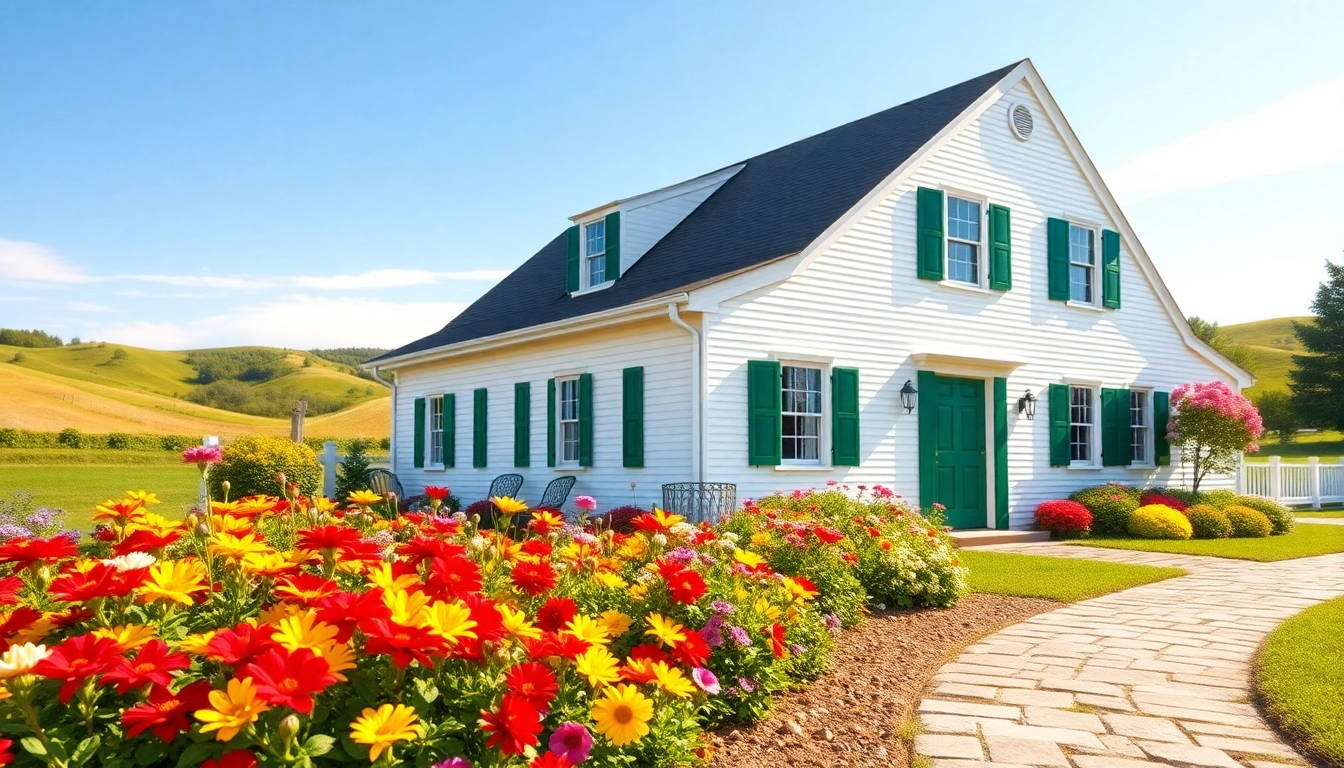
Colonial architecture is marked by several key characteristics. The most prominent feature is the symmetrical facade, often flanked by equally spaced windows and a central front door, which adds to the formal aesthetic. Rooflines are typically steep and gabled, and the siding can be constructed from wood, brick, or clapboard, often painted in muted colors that reflect the natural surroundings.
Another defining element is the use of columns and pilasters, which can be found particularly in Georgian-style colonial homes. These exquisite details enhance the classic look and feel of colonial architecture. The interiors of colonial homes generally feature spacious and functional layouts, with defined rooms rather than open-plan designs common in modern homes.
Regional Variations in Colonial Home Design
While colonial architecture shares common traits, several regional variations exist due to local materials, climate, and cultural influences. The New England colonial, for instance, showcases steep roofs and large chimneys, utilized for snowy climates. In contrast, Southern colonial homes often feature wide porches and are elevated on piers to mitigate the impact of humidity.
Other notable variations include Dutch Colonial, characterized by its gambrel roof and broad eaves; Spanish Colonial, with its tile roofs and stucco exteriors; and French Colonial, which may feature raised foundations and wrap-around porches. Each regional style reflects how settlers adapted to their environments while creating homes that speak to their heritage.
Common Materials Used in Colonial Construction
The materials used in constructing colonial homes are integral to both their durability and historical authenticity. Wood is the primary material for many colonial houses, often sourced locally and employed in framing, siding, and decorative features. Brick construction became prominent due to its fire-resistant qualities and aesthetic charm, especially in regions like the Northeast.
Stone is another popular choice, providing strength and an organic visual appeal. Additionally, classic materials for roofing, such as slate or shingles, have been utilized to withstand the elements. Windows are typically made of double-hung sashes, with glass panes complementing the overall design. Using these traditional materials pays homage to the craftsmanship of the colonial era while ensuring energy efficiency meets modern standards.
Planning Your Colonial Home Construction
Building a colonial home involves careful planning and consideration. From choosing a suitable plot of land to navigating budgets and regulations, each step is critical to the success of your project. Understanding these nuances can help streamline the process and ensure your dream home is realized efficiently.
Key Considerations Before Starting
Before embarking on your colonial home construction journey, several important factors must be evaluated. Start by determining your specific needs, including the size of the family, number of bedrooms, and lifestyle preferences. Consider aspects such as future resale value and neighborhood aesthetics, ensuring your home aligns with the architectural patterns of the surrounding area.
Additionally, it’s wise to engage an architect or designer who specializes in colonial homes to assist with authenticity in design while addressing modern amenities. Conducting thorough research on construction materials will also be beneficial in order to balance classic style with durability.
Finding the Right Location for Your Home
The location plays a pivotal role in the success of a colonial home build. When selecting a site, assess factors such as proximity to schools, shopping centers, and recreational facilities, as these elements contribute to the overall convenience of daily life. Check zoning laws and community regulations to ensure your construction plans adhere to local guidelines, which may affect architectural styles and material usage.
Natural landscapes should also influence your decision. A location with trees can offer shade and enhance the front elevation of a colonial home, while open spaces can provide opportunities for gardens that complement the overall design aesthetic.
Budgeting for Colonial Construction Projects
Creating a realistic budget is crucial for any construction project. Begin by establishing a detailed cost estimation that considers land acquisition, construction materials, labor, permits, and unexpected expenses. Factors influencing the budget can include the complexity of your design, the size of the home, and the quality of materials selected.
Be prepared for fluctuating market prices and consider allocating a contingency fund to cover unforeseen costs. Collaborating with a contractor experienced in colonial home construction can help you navigate pricing and ensure you receive quality work within your financial parameters.
Designing Your Colonial Home
The design of a colonial home is vital to capturing its historic charm while incorporating modern conveniences. Balancing authenticity with personalized features can create a space that truly feels like home. This section explores how to achieve that equilibrium through thoughtful design choices.
Interior Layouts Offer Classic Functionality
Colonial homes typically showcase a symmetrical and formal layout that often features separate rooms for distinct purposes: a living room, dining area, and kitchen. This compartmentalization fosters a sense of coziness, encouraging intimate gatherings and family interactions within designated spaces.
Modern adaptations can enhance classic layouts without sacrificing their charm. For example, consider creating an open concept kitchen connecting to a family room while maintaining the entryway and dining spaces’ formal structure. Use archways or traditional moldings to provide a subtle transition between spaces while preserving the historical aesthetic.
Incorporating Modern Amenities into Traditional Designs
Merging modern conveniences with traditional colonial designs can create an inviting home without losing its historical essence. Prioritize energy-efficient windows, smart home technology, and high-efficiency HVAC systems that could enhance comfort and sustainability.
Moreover, kitchen and bathroom designs can blend old and new. Choose vintage-style fixtures alongside modern functionalities, and incorporate cabinetry that echoes colonial craftsmanship. Such integrations will create a balanced interaction between conventional aesthetics and practical living.
Color Schemes and Materials for Authenticity
Colors and materials play a critical role in ensuring your colonial home retains its authenticity. Classic colonial color palettes often incorporate muted tones like earth tones, pastels, and whites, reflecting the natural landscapes and historical context. These colors can be used both externally and internally, creating an aesthetic consistency.
When selecting materials, consider using brick, wood, and natural stone, as these are time-honored choices that enhance the home’s character. Paint finishes can be mattes or semi-gloss, akin to those used in the colonial period, thereby preserving the authenticity of the design while accommodating modern preferences.
Building Process for Colonial Homes
The construction of a colonial home is a detailed process that requires strategic planning and execution. Understanding the various phases can prepare you for what to expect, ensuring smooth progress throughout the build.
Choosing Skilled Contractors for Colonial Construction
Selecting the right team is one of the most critical steps in your colonial home construction project. Seek contractors who have experience specifically in colonial-style builds as they can provide valuable insight and guidance in maintaining design integrity.
Conduct thorough interviews, request references, and review portfolios of previous work. Assess their familiarity with traditional building techniques and materials, as well as their ability to balance authenticity with modern construction practices, ensuring the best results for your project.
Understanding Building Codes and Regulations
Familiarizing yourself with local building codes and regulations is paramount in the construction process. These codes govern everything from structural safety to energy efficiency and aesthetic guidelines, ensuring your home is both legal and safe.
Working closely with your contractor and local permitting officials will streamline the permitting process. Understanding these regulations early can prevent costly delays and revisions throughout the build, allowing your project to progress as smoothly as possible.
Timeline and Milestones in Construction
A well-defined construction timeline is essential for managing expectations throughout the project. Begin by setting clear milestones—such as groundbreaking, framing completion, and final inspections—that can be charted on a project timeline.
Stay in regular communication with your contractor to receive updates on the project’s progress and to address any challenges promptly. Flexibility may be required to accommodate unforeseen events, but having anticipated milestones can provide a sense of direction throughout the build.
FAQs About Colonial Home Construction
What are common materials for colonial homes?
Colonial homes typically use wood, brick, and stone. Wood is often utilized for framing and siding, while brick and stone provide durability and aesthetic value. Roofs are often made of shingles or slate, balancing both beauty and functionality.
How long does a colonial home construction project take?
The duration of a colonial home construction project varies based on size and complexity, but it generally ranges from 6 to 12 months. Factors such as weather conditions and permit processing can also influence the timeline.
Can I customize the design of a colonial home?
Yes, customization is encouraged! While maintaining the colonial aesthetic, homeowners can modify layouts, materials, and amenities to suit their preferences, creating a unique blend of traditional and modern features.
What are typical costs associated with colonial construction?
Costs for constructing a colonial home can vary widely, often ranging from $150 to $300 per square foot. Factors such as location, materials, and design complexity will influence the overall budget required for the project.
Are there modern adaptations available for colonial homes?
Absolutely! Modern adaptations include energy-efficient windows, smart home technology, and open-plan layouts integrated into traditional designs, allowing for enhanced functionality while preserving colonial charm.