
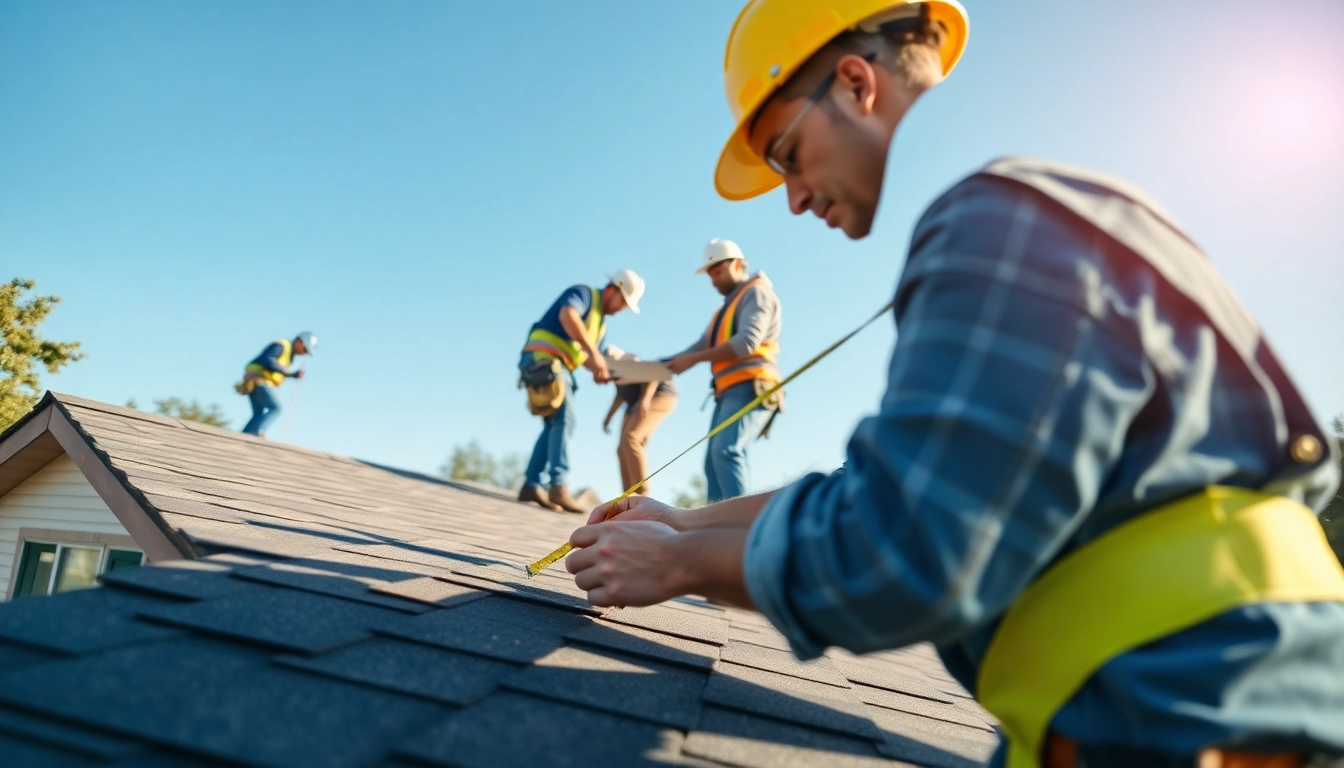
Understanding the Role of a Roofing Contractor
What Does a Roofing Contractor Do?
Roofing contractors play a vital role in the construction and maintenance of roofs, serving both residential and commercial properties. Their responsibilities encompass various tasks, including the installation, repair, and maintenance of roof systems. From selecting materials that align with building codes to ensuring proper ventilation, a quality roofing contractor delivers comprehensive services. They assess damage, provide estimates, and may even offer warranties on their work. Engaging a qualified Roofing contractor ensures that your roof not only looks good but will also protect your property for years.
Essential Skills of a Roofing Contractor
To be effective, a roofing contractor must possess a diverse skill set. Key abilities include:
- Technical Proficiency: Understanding various roofing systems and materials.
- Problem-Solving Skills: Ability to troubleshoot issues during installation or repair.
- Safety Awareness: Knowledge of safety protocols to protect themselves and their team.
- Project Management: Organizing and overseeing projects from start to finish.
- Customer Service: Building relationships with clients through effective communication and support.
Importance of Hiring a Licensed Roofing Contractor
Hiring a licensed roofing contractor is crucial for several reasons. Firstly, licensing indicates that the contractor is knowledgeable about local regulations, building codes, and safety standards. Moreover, licensed contractors often have insurance that protects both the homeowner and workers in the event of an accident. By choosing a licensed professional, homeowners can feel confident that their roofing project will be completed correctly, reducing the risk of costly repairs in the future.
Signs You Need a Roofing Contractor
Common Roof Problems to Look Out For
Identifying roof problems early can save homeowners time and money. Common issues include:
- Leaks: Signs of water damage in the attic or ceiling often point to roof leaks.
- Missing Shingles: Gaps where shingles were blown off can compromise the roof’s integrity.
- Granule Loss: Excess granules in gutters may indicate that shingles are nearing the end of their lifespan.
- Blistering or Buckling: These signs may suggest poor installation or moisture trapped beneath the roofing material.
When to Schedule a Roof Inspection
Regular inspections can help maintain roof integrity. It is advisable to schedule a roof inspection following significant weather events, such as heavy rain, snow, or hail. Additionally, if your roof is older than twenty years or you notice any of the above issues, contacting a roofing contractor for a professional inspection is crucial. Catching problems early can prevent more extensive damage and expensive repairs later.
Identifying Storm Damage
After a storm, it’s essential to evaluate any potential damage to your roof. Look for signs like missing shingles, shattered tiles, or scattered debris that may have impacted your roof. Additionally, examine the gutters for damage and inspect the interior of your home for water stains or leaks that may indicate roof damage. Hiring a qualified roofing contractor to perform a thorough assessment is advisable, as they can identify less visible damage that homeowners might overlook.
How to Choose the Right Roofing Contractor
Researching Local Roofing Contractors
Selecting the right roofing contractor begins with thorough research. Start by asking friends, family, and neighbors for recommendations. Use online platforms to check out local contractors, focusing on their credentials, years of experience, and reviews from previous clients. Additionally, you can consult the Better Business Bureau (BBB) for any complaints or ratings that may help in the decision-making process.
Checking References and Reviews
Once you’ve narrowed your choices, contact the contractors for references. Speak with past clients about their experiences, including the quality of work, adherence to timelines, and customer service. Online reviews can provide further insight into a contractor’s reliability and professionalism. Don’t hesitate to look at before-and-after photos of their past projects as well.
Obtaining Multiple Quotes
Before finalizing your decision, obtain quotes from at least three different roofing contractors. This process not only provides an overview of the market rates but also allows you to gauge each contractor’s level of service. Ensure that each quote includes detailed information about the materials, labor, timelines, and any warranties or guarantees offered. Make sure to compare the quotes comprehensively—you want the best value for your investment, not necessarily the cheapest option.
What to Expect During the Roofing Process
Initial Consultation and Assessment
The roofing process typically begins with an initial consultation where the contractor assesses your roof’s condition and discusses your needs. During this stage, expect the contractor to ask questions about your budget, preferred materials, and project timeline. This information is vital for them to develop a tailored proposal for your roofing project.
Timeline and Project Management
After agreeing on a contract and scope of work, contractors will provide a timeline for the project. This may vary based on the roof size, complexity, and weather conditions. A competent contractor should manage the entire project, including scheduling inspections, handling permits, and communicating updates to homeowners. Keep lines of communication open throughout this process to ensure all expectations are met.
Inspections and Final Walkthrough
Once the roofing work is completed, the contractor will conduct a final inspection to ensure everything meets the agreed-upon standards. It’s advisable for homeowners to be present during this walkthrough to raise any questions or concerns. Following approval, discuss warranty details and maintenance tips to preserve your roof’s longevity.
Maintaining Your Roof After Installation
Regular Maintenance Tips
Once your new roof is installed, regular maintenance is essential to extend its lifespan. Consider the following tips:
- Conduct routine inspections twice a year, especially in spring and fall.
- Keep gutters clean and free of debris to ensure proper drainage.
- Trim overhanging branches to avoid damage from falling limbs.
- Check for signs of wear and tear, like loose or missing shingles.
Signs That Your Roof Needs Attention
Be alert for any signs that your roof may need repair, including:
– Increased energy bills, indicating poor insulation.
– Mold or mildew growth inside your home, often caused by leaks.
– Visible sagging in your roof structure.
These signs may be indicators that your roof requires immediate attention from a professional.
Long-term Care for Your Roof
Long-term care involves both preventive and reactive measures. Ensure to create a maintenance schedule that includes regular inspections and necessary repairs. Also, invest in quality roofing materials upfront, as they will save you money in the long run. Engage a trusted roofing contractor periodically to evaluate your roof and recommend maintenance practices tailored to your specific environment and roof type.
Frequently Asked Questions
What are the average costs of roofing services?
Costs vary based on materials, roof size, and location, but on average, homeowners can expect to pay between $3,000 to $10,000 for a new roof installation.
How long does a roof last?
Generally, roofs can last anywhere from 15 to 50 years, depending on materials and maintenance. Metal roofs tend to outlast traditional shingles significantly.
Do I need a permit to replace my roof?
Permits are generally required for significant roofing projects. Check local regulations or ask your contractor for guidance on what’s needed.
How often should I inspect my roof?
It’s recommended to inspect your roof at least twice a year, along with periodic checks after severe weather events to catch any potential issues early.
What can I do to improve my roof’s lifespan?
Regular maintenance, timely repairs, using high-quality materials, and ensuring proper ventilation are key factors to extending your roof’s lifespan.